Thinking about buying a historic home in Snohomish? It can be an exciting way to own a piece of local history, but it also comes with a different set of expectations than buying a newer house. If you are drawn to original woodwork, classic porches, and homes with real architectural character, it helps to know what you may need to maintain, update, and review before you buy. Here’s what to expect so you can move forward with more confidence. Let’s dive in.
Why Snohomish Historic Homes Stand Out
Snohomish’s Historic District has been officially recognized since the 1970s and includes both commercial streets and residential areas. According to the City of Snohomish Historic District Design Standards, the district includes 56 identified historic structures, with many homes dating from the 1860s through the early 20th century.
For buyers, that means you may find homes with architecture and details that are difficult to replicate today. The city’s standards focus heavily on buildings from 1880 to 1930, which is the period that shapes much of the district’s historic character.
Common Home Styles in Snohomish
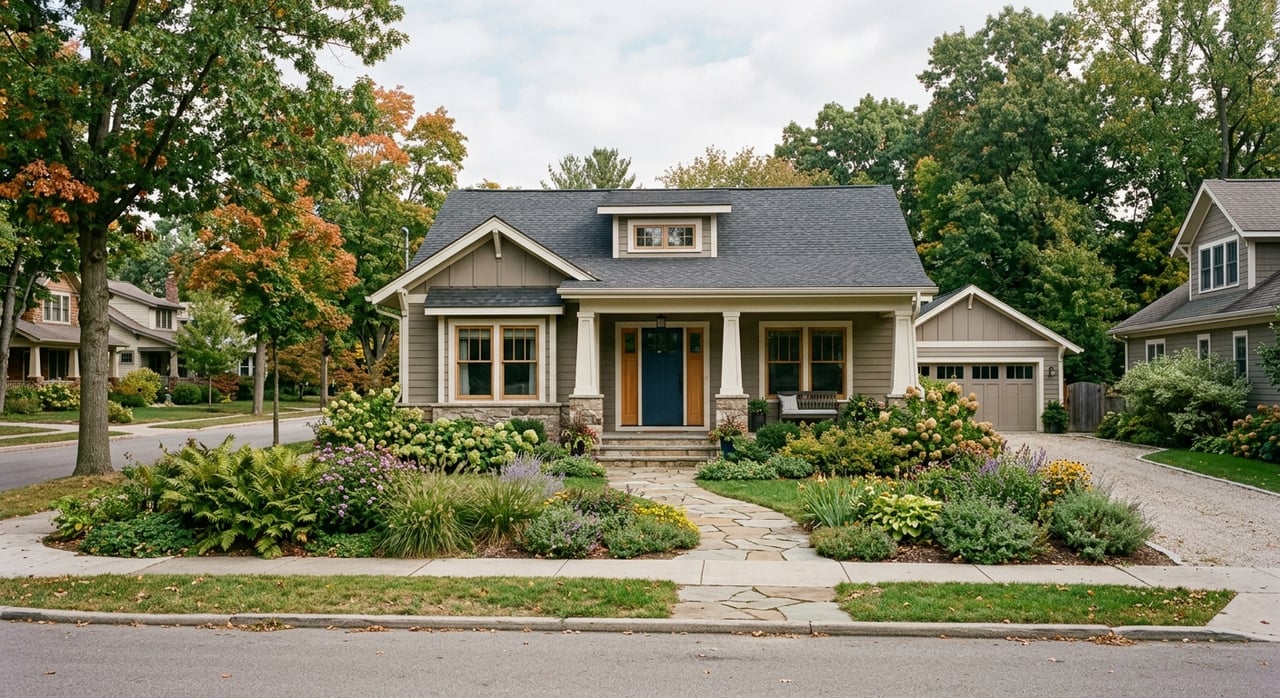
If you are shopping in or near the Historic District, you may see several architectural styles. The city identifies common residential types such as Craftsman Bungalow, Queen Anne Victorian, Shingle, Beaux Arts, Gothic Revival, Italianate, Cottage, Colonial Revival, and Stick/Eastlake.
These homes often feature details that define their historic appearance, including wood lap siding, brick or stone elements, steep roofs, deep eaves, covered porches, and tall vertical windows grouped in pairs or trios. Those features are part of what makes these homes special, but they also affect how repairs and future updates should be handled.
Expect a Different Approach to Updates
Buying a historic home usually means taking a repair-first mindset. The National Park Service rehabilitation standards recommend preserving historic character and repairing original features whenever possible instead of replacing them.
If a feature is too damaged to save, replacement work should closely match the original in design, color, texture, and, when possible, materials. In practical terms, that can influence choices for siding, windows, trim, and other visible exterior elements.
Snohomish’s local standards are designed to preserve a home’s original scale, proportions, materials, and finishes while still allowing compatible changes. The city also recognizes that older homes may need additions, seismic strengthening, maintenance, or updated access points to remain functional homes today.
Moisture and Drainage Matter More Than You Think
With older homes, water is one of the biggest issues to watch. The National Park Service notes that controlling moisture is central to preserving older buildings, especially when it comes to roofs, gutters, downspouts, flashing, and drainage around the foundation.
When you tour or inspect a historic home, pay close attention to signs of leaks, musty odors, poor grading, blocked drains, and moisture in the attic, basement, crawlspace, or near the foundation. A small drainage issue can lead to much bigger repair needs if it has been ignored over time.
Routine upkeep matters here. Keeping gutters clear, making sure downspouts move water away from the home, and addressing roof or flashing issues early can help protect both the structure and its historic materials.
Original Features May Be Repairable
One of the biggest misconceptions about older homes is that everything old needs to be replaced. In many cases, that is not true. National Park Service guidance supports repairing wood windows, porches, and trim through patching, splicing, consolidating materials, weatherstripping, and adding compatible storm windows when needed.
That can be encouraging if you fall in love with original windows or exterior wood details. It is also worth noting that Snohomish’s standards say original or architecturally significant chimneys should not be removed or altered, which is another reason to understand what features are original before making plans.
Systems May Need Modernization
Historic charm does not always mean modern wiring, plumbing, or HVAC. Some homes have already been updated, while others may still need work to bring systems in line with your needs.
The National Park Service allows necessary upgrades to mechanical, plumbing, and electrical systems, but the goal is to minimize the impact on historic materials and spaces. Ideally, new pipes, ducts, and wiring are routed through closets, service areas, attics, basements, crawl spaces, or wall cavities rather than cutting through character-defining rooms.
If a home has had major rehabilitation work, it is smart to ask for documentation. For larger projects, the Washington State Department of Archaeology & Historic Preservation explains that a historic structure report can help guide treatment decisions and support thoughtful planning.
Questions to Ask Before You Buy
A historic home purchase should come with more detailed questions than a typical home search. Along with your general inspection due diligence, consider asking:
- What exterior work has been completed, and are permits or design-review approvals on file?
- Which features are original, which were repaired, and which were replaced?
- Are there signs of roof leaks, moisture intrusion, poor drainage, or foundation water issues?
- Have the plumbing, electrical, and mechanical systems been upgraded?
- Is there documentation for major rehabilitation work, such as a historic structure report?
If the home was built before 1978, ask whether the seller has provided the required lead-based paint disclosure. If you plan to renovate, contractors who disturb lead paint must use lead-safe practices and be properly certified.
You should also ask whether any planned work could disturb asbestos-containing material. The U.S. Consumer Product Safety Commission advises that damaged asbestos material, or material likely to be disturbed during changes to the home, should be handled by a professional.
Design Review and Local Rules
If the home is within Snohomish’s Historic District, exterior changes that require a building permit are subject to design review under the city’s standards. Some no-permit items may also be reviewed. The Design Review Board generally serves in an advisory role, while the City Planner makes the final determination, according to the city’s Historic District Design Standards.
This is important because the review process can affect your timeline, budget, and renovation plans. Exterior work is not necessarily off limits, but changes are expected to be compatible with the home’s historic character.
Demolition is also treated cautiously. The city may hold certain demolition applications for 90 days if preservation appears physically and economically feasible, giving time to explore alternatives.
Understand Historic Incentives
Some buyers assume every historic home comes with a tax credit, but that is not always the case. In Snohomish County, the special valuation program may reduce the assessed value of qualified rehabilitation expenses for up to 10 years if the property meets specific requirements, including register status, cost thresholds, and compliance with state standards.
There is also a federal historic tax credit, but the Washington State Department of Archaeology & Historic Preservation says it applies to certified rehabilitation of National Register-listed income-producing properties. Owner-occupied residential properties do not qualify.
That means incentives may exist, but they depend on the property and how it is used. If you are considering a larger project, it is worth confirming eligibility early.
Know What Ownership Really Feels Like
Owning a historic home in Snohomish can be deeply rewarding. You get architectural character, craftsmanship, and a connection to the city’s past that newer homes often cannot offer.
At the same time, you should expect more thoughtful maintenance, more detailed inspections, and a more careful approach to repairs and upgrades. If you go in with clear expectations, a historic home can be both a meaningful lifestyle choice and a practical long-term investment in a unique property.
If you are exploring historic homes in Snohomish and want practical guidance on what to watch for, the team at Pilchard Properties is here to help you navigate the process with local insight and clear communication.
FAQs
What should you inspect first when buying a historic home in Snohomish?
- Focus first on moisture-related issues such as the roof, gutters, downspouts, flashing, drainage, and any signs of leaks or dampness in the attic, basement, crawlspace, or around the foundation.
What kinds of home styles are common in Snohomish’s Historic District?
- Common styles include Craftsman Bungalow, Queen Anne Victorian, Shingle, Beaux Arts, Gothic Revival, Italianate, Cottage, Colonial Revival, and Stick/Eastlake.
Do exterior changes to a historic home in Snohomish require approval?
- In Snohomish’s Historic District, exterior changes that require a building permit are subject to design review, and some no-permit items may also be reviewed under the city’s standards.
Can you replace original windows in a Snohomish historic home?
- In many cases, preservation guidance favors repairing original windows rather than replacing them, using methods like patching, splicing, weatherstripping, and compatible storm windows when appropriate.
Are there tax incentives for buying a historic home in Snohomish County?
- Possibly. Snohomish County’s special valuation program may apply to qualified rehabilitation expenses for eligible properties, but the federal historic tax credit does not apply to owner-occupied residential homes.
What environmental concerns should buyers consider with older Snohomish homes?
- Buyers should ask about lead-based paint in homes built before 1978 and whether any renovation work could disturb asbestos-containing materials, since both issues may require professional handling.