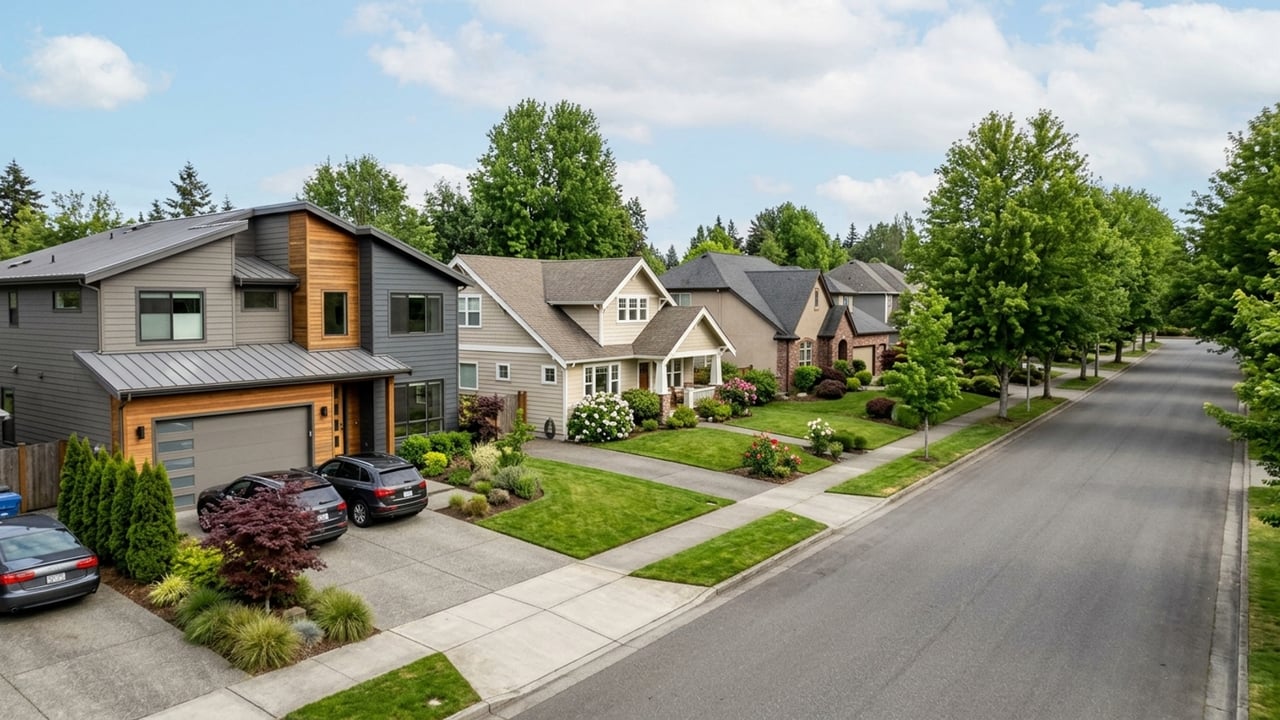
Lake Stevens, WA has quietly become one of Snohomish County's busiest residential destinations - buyers want the waterfront access, the suburban breathing room, and they're willing to move fast to get it. The pros and cons of living in Lake Stevens often center on this balance of space and accessibility. Homes here are spending roughly 12 days on the market, with a median sale price around $684,897. That pace tells you something about demand.
What it doesn't tell you is what your daily life actually looks like once you're here. Before you commit, you should understand how this city moves - or, more honestly, how much of that movement depends on you having a car.
Driving Routes and Travel Times to Lake Stevens
Most residents drive. That's not a knock on the city; it's just the reality of how Lake Stevens is built. The primary access point is State Route 9 (SR 9), running north-south through the area and connecting to US 2 and Interstate 5 via nearby Everett. State Route 204 is the other main corridor into town. Between the two, SR 9 and SR 204 form the backbone of how people get in and out.
From Seattle, you're looking at about 36 to 37 miles via I-5 - roughly 44 to 45 minutes under normal conditions. The I-5 and US 2 interchange is where that timeline tends to fall apart, so factor in some buffer if you're commuting during peak hours.
Directions to Downtown and Local Hubs
SR 9 is your friend when you're heading to downtown Lake Stevens or the Frontier Village commercial area. Frontier Village is the city's main retail center - grocery stores, restaurants, the usual - and SR 9 runs directly past it.
Coming from Everett, most drivers take US 2 eastbound across the valley and exit onto either SR 204 or SR 9 northbound. Both routes drop you into the city limits and spread traffic into the residential neighborhoods around the lake.
Parking and the Transit Center
If you'd rather drive partway and hand off to transit, the Lake Stevens Transit Center Park and Ride is at 9414 4th St NE, near 9500 Market Place. It's the city's main park-and-ride hub and functions as the central gathering point for carpools, vanpools, and riders connecting to regional bus lines.
Public Transportation and Transit Options
Community Transit runs public transportation here, and four of their bus routes serve Lake Stevens - all of them stopping at the Lake Stevens Transit Center. For commuters heading south, Express Route 903 is the one to know. It runs during peak morning hours and connects directly to the Link light rail at Lynnwood City Center Station, which is a reasonable way to get to Seattle without white-knuckling I-5 the whole way.
That said, four routes is four routes. Don't come in expecting the frequency or coverage you'd find in a denser city.
Local Shuttle Services
For getting around within Lake Stevens itself, Community Transit runs the Zip Shuttle - an on-demand shared ride service that handles door-to-door trips entirely inside the city. It runs daily from 5 a.m. to 10 p.m., and you can request pickup and drop-off anywhere in the designated service area. For local errands without a car, it's a reasonable option.
Fares and ORCA Cards
A typical Community Transit fare starts at about $2.50, though the exact amount depends on the service and pass type. Cash riders need to have exact change ready.
The agency accepts Tap to Pay with debit or credit cards, but the ORCA card is what Community Transit recommends. It works across all seven major Puget Sound transit agencies and is required if you want a two-hour transfer credit or access to reduced fare programs.
Do You Need a Car in Lake Stevens?
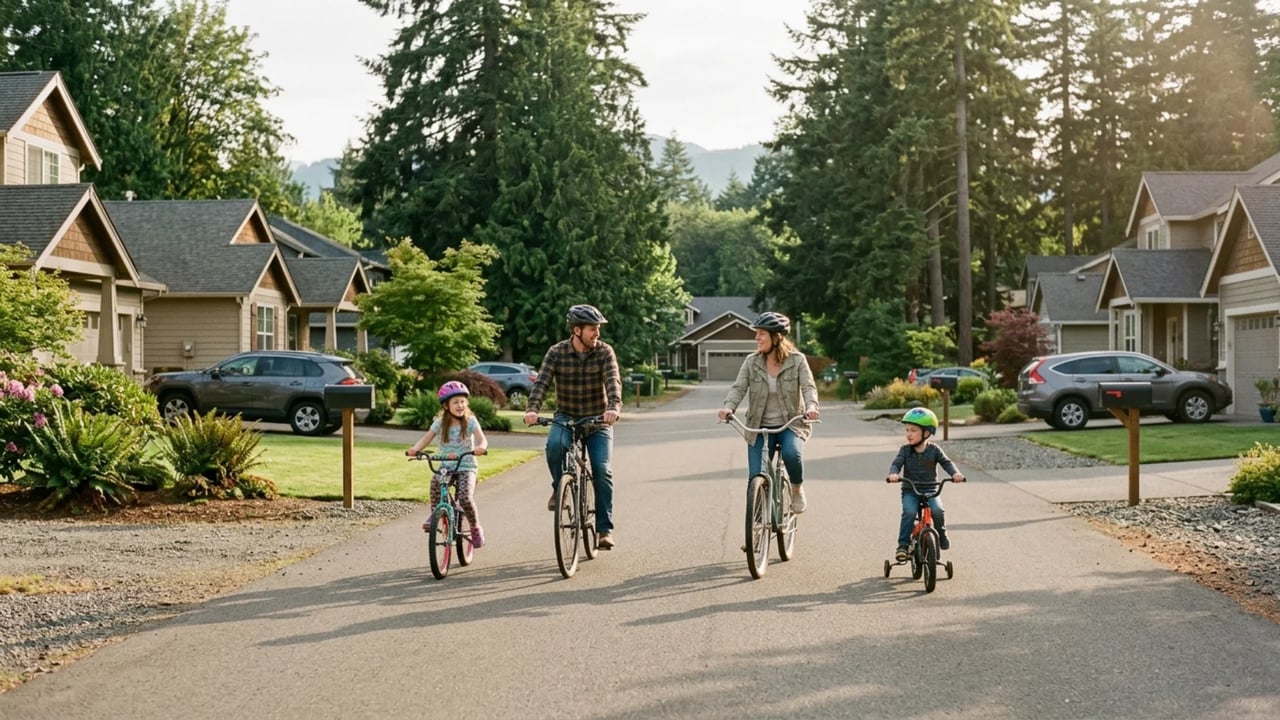
Honestly? Yes, for most people. Community Transit provides real coverage, but Lake Stevens spreads across a wide area around the lake, and the residential neighborhoods don't cluster in ways that make walking practical. Frontier Village - the main commercial hub - is built for drivers. Large parking lots, spread-out storefronts, not a lot of sidewalk culture.
Own a car and this city works well for you. Don't own one and you'll be leaning heavily on the Zip Shuttle and building your schedule around bus times.
Rideshare and Taxis
Rideshare apps do operate throughout Snohomish County, so you can get from Lake Stevens to Everett or Marysville that way. Just know that suburban wait times are longer than what you'd expect in a denser area. For short in-town trips, the Zip Shuttle is usually a cheaper and more predictable option than waiting on a rideshare driver.
Specialized and Accessible Transportation
Community Transit has dedicated programs for seniors and riders with disabilities. The Senior Regional Reduced Fare Permit (RRFP) is available for adults aged 65 and older and provides discounted fares across Community Transit's fixed bus routes.
Door-to-Door and Paratransit Services
Seniors 65 and older can use the Zip Shuttle's door-to-door service for $1.00 per trip - a straightforward way to get to appointments or handle errands without much fuss.
For riders with disabilities who can't use standard fixed-route buses, Community Transit offers DART paratransit service. Getting access to DART requires an application and a rider assessment to confirm it's the right fit for the person's physical or cognitive needs.
Frequently Asked Questions
How long is the typical commute from Lake Stevens, WA to major employment hubs like Seattle?
Under normal conditions, the drive is about 44 to 45 minutes covering 36 to 37 miles via I-5. If you'd rather not drive the whole way, Express Route 903 runs during morning peak hours and connects to the Link light rail at Lynnwood City Center Station.
Is there a way to avoid the US 2 Trestle traffic when driving in and out of Lake Stevens?
SR 9 is the main north-south alternative, and along with SR 204, it's one of the primary corridors connecting Lake Stevens to the broader highway system. That said, most routes heading west toward I-5 eventually funnel toward US 2 - or push you north to Marysville. There's no clean workaround; it's more about choosing which pinch point you'd rather deal with.
Does Lake Stevens have reliable public transit or park-and-ride lots for daily commuters?
The Lake Stevens Transit Center Park and Ride at 9414 4th St, NE gives commuters a place to leave their cars and connect to regional service. Four Community Transit bus routes stop there, making it the practical hub for anyone mixing driving with transit.
Are there any walkable neighborhoods in Lake Stevens, or is the city strictly car-dependent?
Lake Stevens is primarily car-dependent. The residential neighborhoods spread out around the lake, and commercial areas like Frontier Village are built for drivers. The on-demand Zip Shuttle runs daily from 5 a.m. to 10 p.m. and covers door-to-door trips within the city, which helps - but most residents rely on a personal vehicle for day-to-day life.