Preparing your Snohomish County home for sale means tackling curb appeal, interior repairs, decluttering, and strategic pricing before you list. With inventory rising and buyers more selective in 2026, well-prepared homes sell faster and with fewer price reductions than homes that hit the market without prep work.
What do Snohomish County sellers need to do before listing their home in 2026?
Snohomish County sellers in 2026 need to address curb appeal, deferred maintenance, interior presentation, and pricing strategy before going live on the NWMLS. With roughly 4+ months of inventory and median days on market stretching to 38 days in some areas, buyers are comparing multiple homes in the same price band, and homes that show poorly or are priced to 2022 peak expectations are sitting longer and taking more price cuts.
Key Takeaways
- Recent local market data shows a median sale price of $949,500 in Snohomish, with homes sitting a median of 38 days, preparation and pricing matter more than they did in 2021-2022.
- An August 2026 market update summarizing July 2026 NWMLS data placed Snohomish County's median sales price at roughly $700,000, down about 4.8% year-over-year, with approximately 4.2 months of inventory, a meaningfully more balanced market.
- Across the county, days on market vary significantly by area: Everett homes are moving in a median 24 days while Monroe, Mill Creek, and Arlington are seeing medians around 50 days, your prep strategy should match your sub-market.
- Washington's Real Estate Excise Tax (REET) is a graduated, statutory cost assessed on the seller at closing, it is not a vendor fee and is not negotiable with the state.
- Local agents and NAR's 2025 Profile of Home Buyers and Sellers both confirm that move-in-ready, well-photographed homes attract more online attention and more offers than homes with visible deferred maintenance.
Is it still a seller's market in Snohomish County, or do sellers need to work harder in 2026?
The short answer: sellers need to work harder. The Snohomish County market has shifted meaningfully since the frenzy of 2021-2022, and understanding that shift is the foundation of every good pre-sale decision you'll make.
An August 2026 update drawing on July 2026 NWMLS data put Snohomish County's median sales price at roughly $700,000, down about 4.8% from the prior year, with approximately 4.2 months of inventory and 31 days on market. That's a far cry from the sub-two-weeks, waive-everything environment buyers endured a few years ago.
What that means practically: buyers can now tour three or four similar homes in the same price range before writing an offer. If yours has dated paint, a neglected yard, or obvious deferred maintenance, they'll simply move on to the next one. According to NAR research, most buyers first encounter a home through online photos and virtual tours, so what your home looks like before the photographer shows up matters enormously.
The good news: a well-prepared, correctly priced home still moves. Recent local market data shows Everett homes selling at a median of just 24 days. Preparation and pricing are the two levers you control.
How does pricing fit into preparation?
Pricing is preparation. I tell every seller I work with that no amount of staging rescues a home priced against 2022 peak comparables. Local commentary from multiple 2026 market sources is consistent on this: sellers who stretch their list price based on outdated data see more price reductions and longer days on market, even when the home shows beautifully. Your pricing strategy needs to be anchored in current NWMLS data, not what your neighbor got three years ago.
The area-level medians below give you a starting benchmark. An individual home's value depends on condition, street, build year, and timing, but this table shows you how much sub-market variation exists across the county right now.
Area | Median Sale Price | Median Days on Market |
|---|---|---|
Everett | $580,000 | 24 |
Lynnwood | $710,000 | 33 |
Marysville | $610,000 | 31 |
Monroe | $750,000 | 50 |
Lake Stevens | $670,000 | 45 |
Mill Creek | $885,000 | 50 |
Edmonds | $975,000 | 43 |
Arlington | $659,000 | 50 |
Source: Recent aggregated public listing data, trailing ~90 days as of September 2026. Area-level medians only, individual home values vary. Data deemed reliable but not guaranteed; sourced from NWMLS feeds.
Notice the spread: a seller in Everett is operating in a much faster market than a seller in Monroe or Mill Creek. Your prep priorities should reflect your specific sub-market, not county-wide averages.
What pre-sale preparation steps matter most for Snohomish County sellers?
Most sellers underestimate how much of their preparation budget and energy should go toward the basics. Here's how I walk my clients through it, working from the outside in.
Curb appeal: the first five seconds
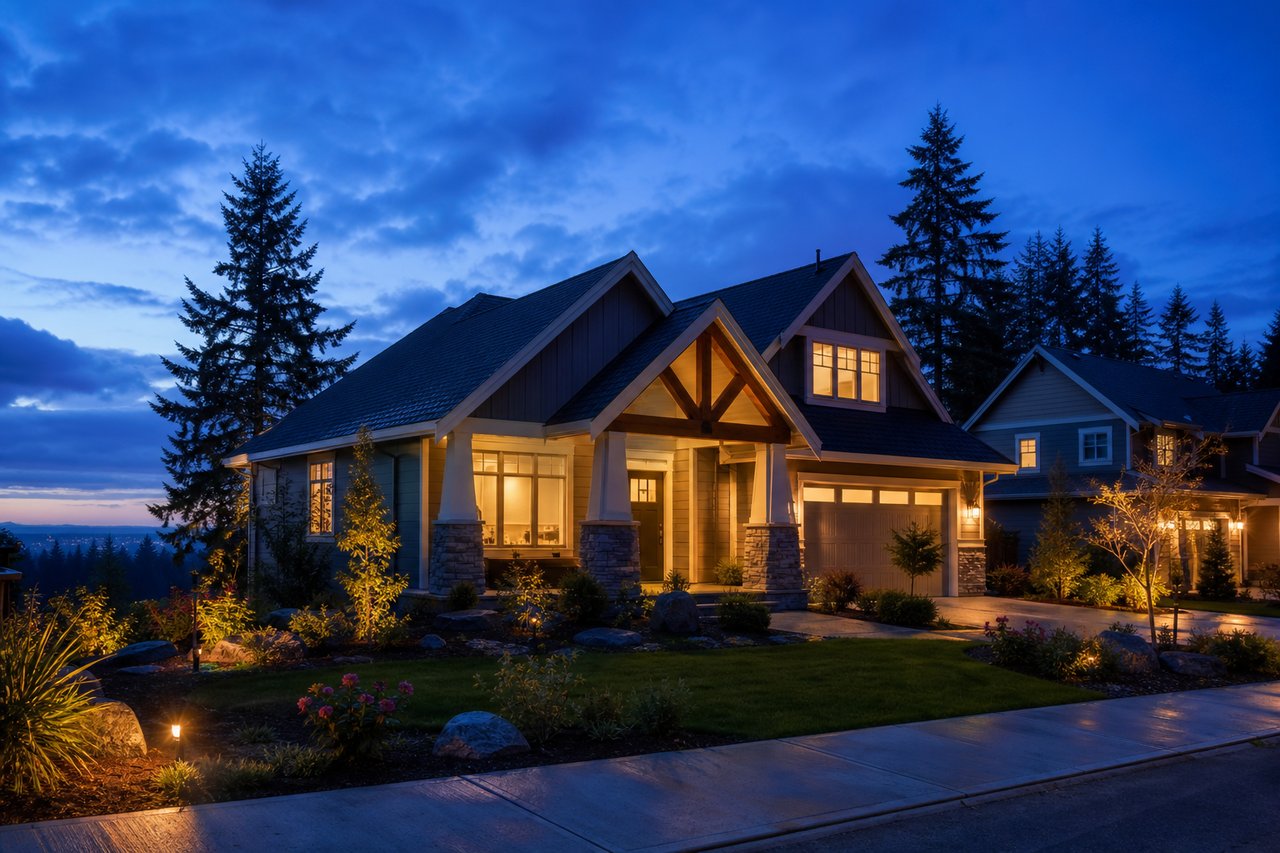
Buyers form an impression before they step out of the car. In suburban Snohomish County neighborhoods, where a buyer might tour four homes on a Saturday afternoon, that first impression either builds anticipation or erodes it.
The tasks that move the needle most:
- Mow, edge, and clean up planting beds. Overgrown shrubs read as neglect.
- Pressure wash the driveway, walkways, and siding. The Pacific Northwest is hard on exterior surfaces, moss, algae, and grime accumulate fast.
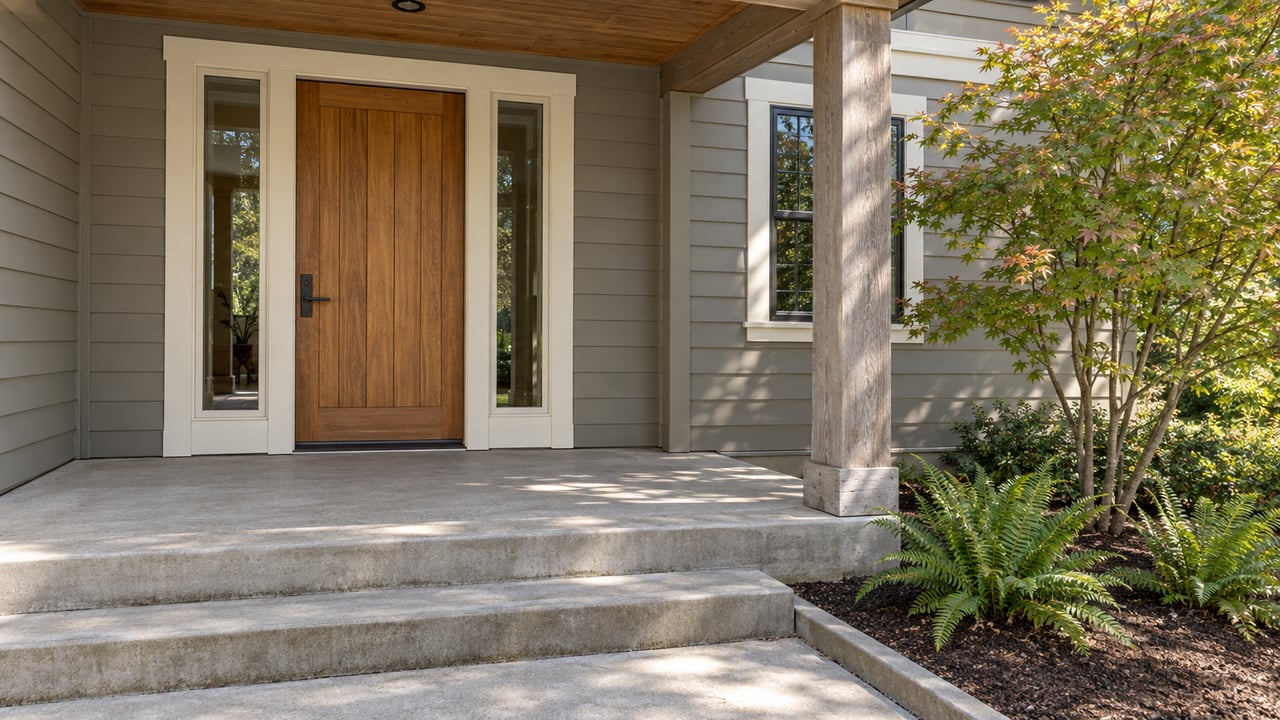
- Clean or repaint the front door. Update house numbers if they're faded or dated. Confirm exterior lighting works.
- Remove anything that doesn't belong: old pots, broken equipment, anything stored against the house.
In areas like Edmonds and Lynnwood, where buyers near the King County line are often comparing your home against Seattle-area options, curb appeal carries extra weight. In Monroe, Lake Stevens, and Snohomish, buyers in 2026 are also paying close attention to lot usability, garage condition, and outdoor spaces, document those features clearly.
Interior repairs: address what inspectors will flag
Deferred maintenance doesn't disappear at closing, it shows up in the inspection report and gives buyers leverage to renegotiate or walk. I'd rather spend a few hundred dollars fixing things before listing than lose thousands in a post-inspection price reduction.
Prioritize these before you list:
- Leaky faucets, running toilets, and dripping fixtures
- Broken or missing light fixtures, outlet covers, and switch plates
- Damaged trim, cracked caulk around tubs and windows, and peeling paint
- Smoke and CO detectors, these come up on nearly every inspection report in Snohomish County. Make sure they're present, operational, and not expired.
- Gutters: clean them and confirm they're properly attached and draining away from the foundation
For homes in Monroe, Lake Stevens, and the eastern part of the county, buyers are particularly attuned to the condition of major systems, roof, windows, and furnace. If you've had recent updates, document them. A seller who can hand the buyer a service record for the furnace or a receipt for a roof replacement is making their home easier to buy.
Presentation and staging: what shows in photos
According to NAR's research on buyer behavior, the overwhelming majority of buyers start their search online. That means your listing photos are your first showing, and they need to work hard.
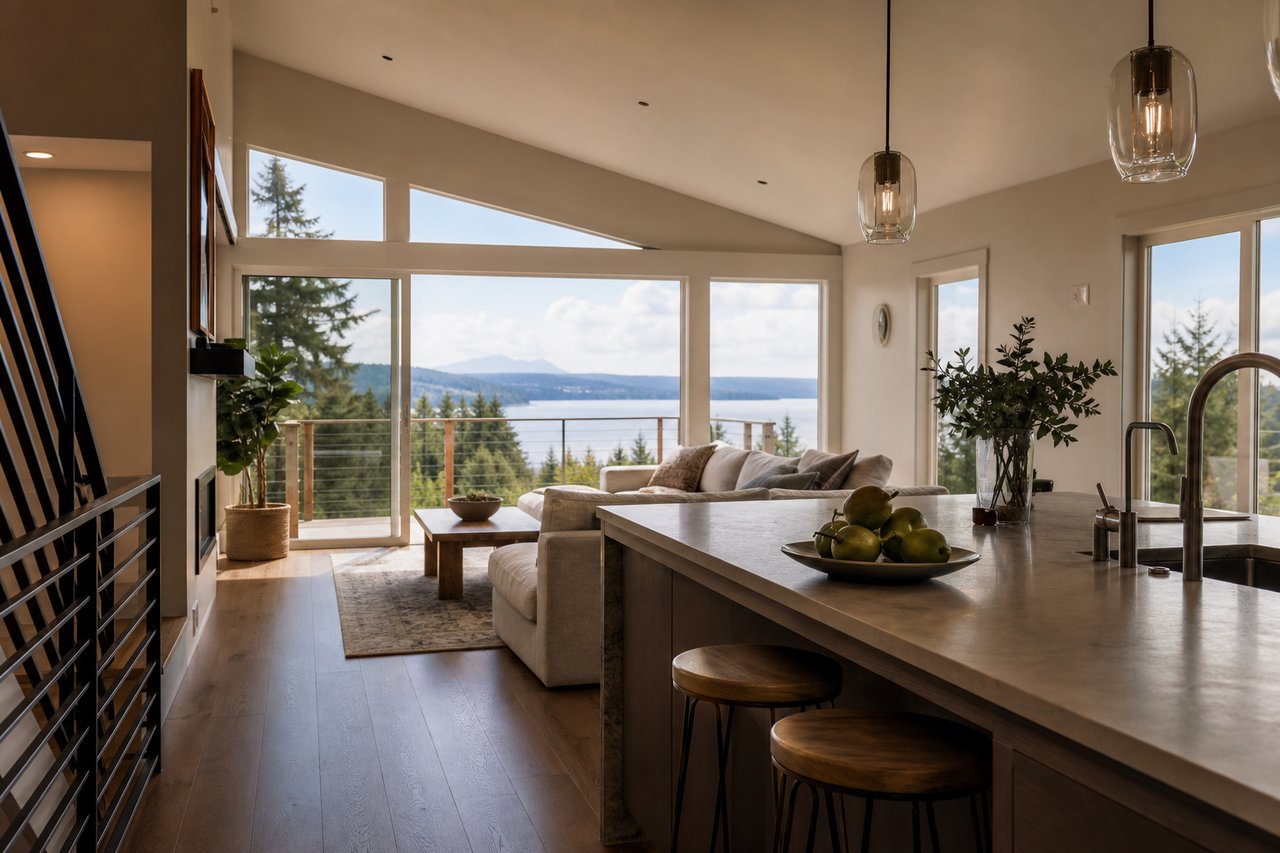
At minimum, every home should be deeply cleaned and decluttered before the photographer arrives. Personal photos, excess furniture, and anything that makes rooms feel small or cluttered should go into storage. Neutral paint in main living areas broadens your buyer pool, especially in commuter communities like Everett and Lynnwood where buyers are often making quick decisions around a move.
For vacant homes or those with very dated furnishings, particularly in the higher price bands like Mill Creek and Edmonds, professional staging is worth a conversation. The goal isn't to make the home look like a model; it's to make the online photos compelling enough to generate showings. More showings mean more competition, and more competition is how you get strong offers in a balanced market.
For a deeper look at how Mukilteo-area sellers approach this specifically, I've written about preparing your Mukilteo home for today's buyers, many of those same principles apply across Southwest Snohomish County.
How far in advance should you start preparing?
In a market where 2,190 active listings are competing for buyer attention, you don't want to rush prep. I encourage sellers to start the process four to six weeks before their target list date. That gives you time to schedule landscaping, cleaning, minor repairs, and photography without compressing everything into a stressful final week.
Seasonal timing still matters in Snohomish County, though it's less determinative than it was a few years ago. Spring and early summer bring more buyer activity and more new listings. Fall can mean less competition on the listing side, a well-prepared home going up against fewer alternatives can still perform well. Whatever season you're targeting, align your expectations with current NWMLS data, not historic patterns from a different market environment.
If you're also navigating a simultaneous purchase, the prep timeline gets more complicated. I've covered that in detail in my post on selling and buying at the same time in Snohomish County.
What should Snohomish County sellers know about closing costs and the excise tax?
Pre-sale preparation isn't only about the physical condition of your home, it includes understanding the financial side of your closing so there are no surprises.
The cost category that most sellers underestimate is Washington's Real Estate Excise Tax (REET). Per the Washington State Department of Revenue, REET is a graduated tax on the sale of real property, with rates that step up across price tiers. It applies statewide, including Snohomish County, and by statute the seller is the liable taxpayer.
I never let my clients think REET is a negotiable vendor fee, it isn't. It's a fixed statutory obligation tied to your sale price and closing date. Your escrow officer will handle the actual calculation and remittance at closing.
Speaking of escrow: in Washington, residential closings are handled by an independent escrow officer, typically through an escrow company or the escrow department of a title company. Escrow acts as a neutral third party, holding funds and signed documents, coordinating with the lender, and recording the deed with the Snohomish County recorder once all conditions are satisfied. You'll typically sign your closing documents at the escrow office a few days before the scheduled closing date, and proceeds are released after recording.
Other seller-side closing cost categories to discuss with your agent and escrow officer include title insurance, prorated property taxes, any HOA transfer fees, and recording fees. The specifics depend on your situation, your net proceeds picture is something I walk through with every seller before we set a list price, not after. If you want a full overview of the selling process from start to finish, my post on selling your home in Snohomish County covers the full timeline.
Every seller's situation is different, and the only way to know what your net looks like is to run the numbers with someone who knows this market. That's exactly the kind of conversation I have before we ever put a sign in the yard.
If you'd like to read what other Snohomish County sellers and buyers have experienced working with my team, I invite you to check out our reviews on Google.
Frequently Asked Questions
What should I do to my Snohomish County home before listing it to get more showings and stronger offers?
Focus on curb appeal, deferred maintenance, and interior presentation in that order. Pressure wash the exterior, address any obvious repair items that will surface in an inspection, deep clean and declutter every room, and make sure your home photographs well, that's where most buyers will encounter it first. In a market with 232+ active listings competing for buyer attention, a home that shows as move-in ready from the first online photo generates more showings and, typically, more competitive offers.
How long are homes taking to sell in Snohomish County if they're priced correctly?
It depends heavily on sub-market. Recent local market data shows Everett homes selling at a median of 24 days, Marysville at 31, and Lynnwood at 33, while Monroe, Mill Creek, and Arlington are closer to 50 days. An August 2026 update drawing on July 2026 NWMLS data put the county-wide median at 31 days. Correctly priced, well-prepared homes move within those ranges; overpriced or poorly presented homes sit and accumulate price reductions.
Do I have to pay the Washington real estate excise tax as the seller, or can I negotiate it?
Washington's Real Estate Excise Tax (REET) is assessed on the seller by statute, per the Washington State Department of Revenue, the seller is the legally liable taxpayer. The tax itself is not negotiable with the state, it's a graduated rate tied to your sale price.
Is it still a seller's market in Snohomish County in 2026, or do I need to be more aggressive with prep and pricing?
It is no longer the ultra-low-inventory seller's market of 2021-2022. With approximately 4.2 months of inventory reported in mid-2026 and median prices down roughly 4.8% year-over-year, buyers have options and are exercising them. Sellers who price to current data and present their homes well are still closing successfully, but "stretch pricing" based on peak comparables and skipping prep work is a reliable path to price reductions and extended days on market.
Which pre-sale upgrades matter most for Snohomish County buyers in 2026?
In most price bands, deferred maintenance repairs and presentation basics outperform major renovations on return. Fix what inspectors will flag, refresh curb appeal, and make the home photograph well. In the higher price segments, Mill Creek, Edmonds, professional staging for vacant homes adds meaningful value. In Monroe, Lake Stevens, and eastern county areas, documenting recent system updates (roof, furnace, windows) is often more persuasive to buyers than cosmetic upgrades.