Do you picture mornings on a quiet dock with coffee in hand, or do you prefer a low‑maintenance home close to errands and your commute? In Lake Stevens, both lifestyles are possible, and each comes with unique tradeoffs. If you are weighing lakefront versus neighborhood living, you are not alone. In this guide, you will learn how prices, permits, maintenance, and day‑to‑day living differ so you can choose what fits your life and budget. Let’s dive in.
Big picture: prices, supply, and expectations
Lake Stevens’ overall median sale price sits in the mid‑to‑high six‑figure range. Recent monthly snapshots show a citywide median close price around $683,000, which is a helpful baseline for comparing options. Lakefront listings are scarce and vary widely in price because shoreline frontage, low‑bank versus bulkhead, dock condition, and view quality all drive value. Neighborhood (non‑waterfront) homes offer more choices at or near the city median with more comparable sales, which can make appraisals and financing smoother.
When you compare homes, remember that scarcity on the water means fewer comps and more pricing swings. In neighborhoods, you will typically see more closed sales nearby, which helps with valuation and negotiating confidence. For taxes and carrying costs, check the current Snohomish County and City notices for your target property so you understand annual levies and public services that may affect utilities and regulations. The county’s property‑tax updates provide helpful context on how yearly bills are set and distributed.
Lifestyle tradeoffs in Lake Stevens
Direct water access and views
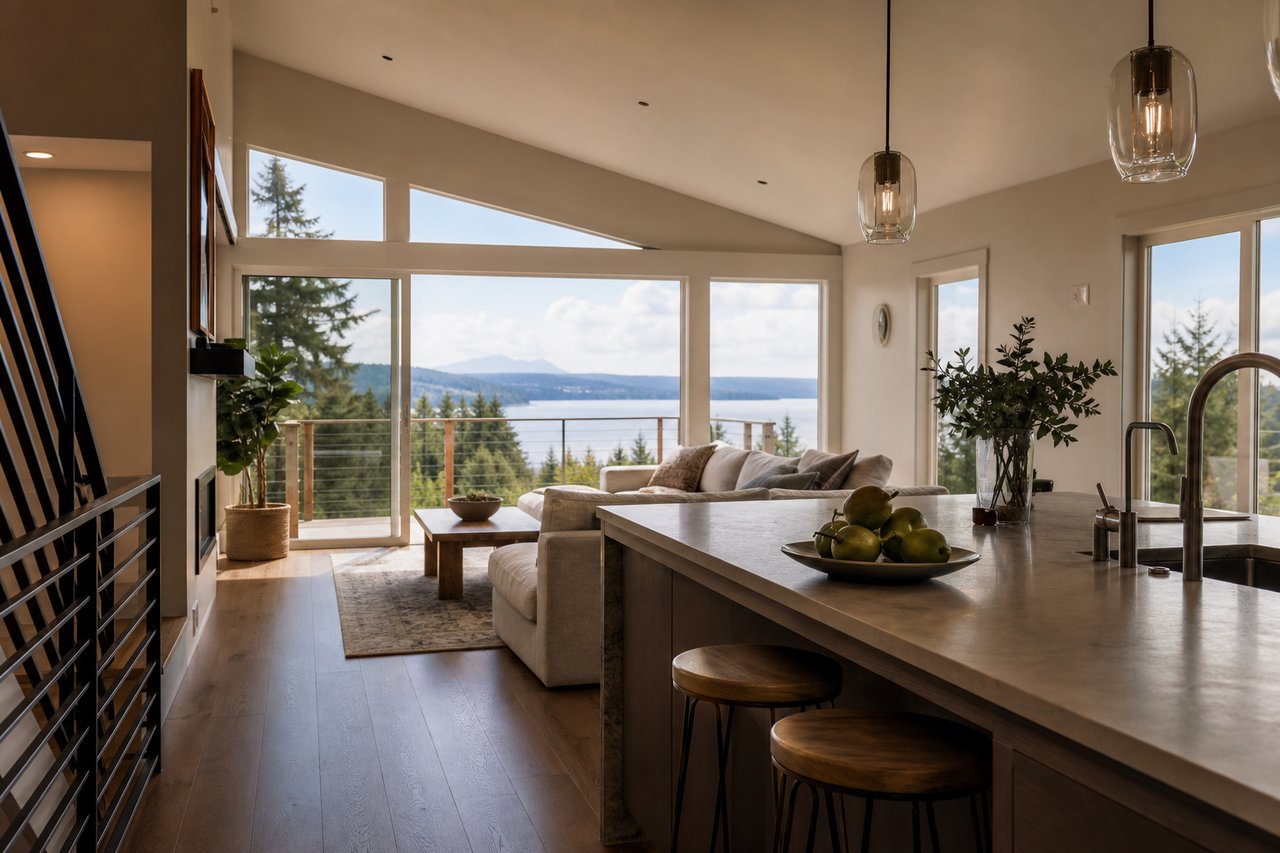
Lakefront living gives you private shoreline or a dock, easier daily paddleboarding or boating, and those hard‑to‑beat sunset views. If being on the water multiple times a week is your dream, true waterfront makes it simple. If you only plan to launch a few times each season, you can still enjoy the lake using the City’s public boat launches and parks.
Privacy and summer activity
Waterfront lots with sandy, low‑bank beaches invite more activity. Expect seasonal boat traffic, summer events, and friendly neighbor drop‑bys if your shoreline is easily accessible. North Cove and the downtown area host festivals and community gatherings, which concentrate activity near those blocks. If quiet summers are a priority, evaluate neighboring lot uses, any HOA or community‑dock rules, and the city’s event calendar during your home search.
Commute and daily convenience
Lake Stevens offers parks, shopping, and a growing downtown, with quick access to Everett and reasonable routes to Snohomish County job centers. Lakefront streets can feel tucked‑away, while many neighborhood homes sit closer to main roads, schools, and shopping. Think about whether you want to trade a slightly longer daily drive for immediate water access, or if being minutes from errands is the bigger win for your household.
Rules and permits that shape lakefront use
Shoreline jurisdiction basics
Lake Stevens enforces a Shoreline Master Program that generally applies within 200 feet of the lake’s ordinary high‑water mark. New, replacement, or expanded shoreline structures such as docks, bulkheads, and shore stabilization often require shoreline permits, and some projects trigger state or federal review. Before you fall in love with a dock expansion or boathouse plan, read the city’s Shoreline Master Program overview and confirm whether any existing structures are conforming.
Flood risk and insurance
If any structure securing a mortgage sits in a FEMA Special Flood Hazard Area, a federally regulated lender will require flood insurance. Even outside mapped zones, some lenders and insurers may still recommend or price flood coverage based on local risk. Ask your lender to run a flood determination early and review the NFIP’s mandatory purchase guidance to understand how requirements work.
Environmental programs and lake health
The city and county actively manage lake health, including alum treatments and shoreline restoration efforts. These programs can affect permitted shoreline work and vegetation removal, and they may come with seasonal schedules or special notices. Review current updates on Lake Stevens water quality and management and request any lake‑management notices from the seller.
Permits and timelines to expect
Shoreline work often involves a stack of permits and coordination with multiple agencies. Depending on scope, you may need a city shoreline permit, Washington JARPA coordination, and sometimes federal coverage for in‑water work. Timelines can add weeks to months, and conditions can limit design choices. For a high‑level primer on multi‑agency coordination, see this overview of the JARPA process and in‑water permitting considerations (example reference).
Ongoing costs and maintenance
Lakefront upkeep and insurance
Owning on the water typically adds maintenance you do not see in most neighborhoods. Common items include:
- Dock, boat‑lift, or pier upkeep. Materials, floatation, and hardware wear over time. Industry guides show wide ranges for projects, and replacement costs can run from the thousands to tens of thousands depending on design and size. For budgeting context, review typical dock cost ranges and then get local contractor quotes for your specific shoreline features (dock cost overview).
- Bulkhead or shoreline stabilization. Repairs can be significant and usually require permits. You may also need ecological mitigation depending on the design.
- Insurance. Standard homeowners policies typically exclude flood coverage. If your structure is in a mapped flood zone, lenders will require flood insurance. Talk with your insurance pro about coverage for the dock and boat, plus any added liability related to the waterfront.
Neighborhood home costs
Non‑waterfront homes usually look more like standard suburban ownership. Think roof, siding, yard care, decks, and possible HOA dues. Sewer versus septic is a key variable in Lake Stevens. Many addresses are served by the Lake Stevens Sewer District, but some properties use onsite septic. Confirm service through the city’s Public Utilities page, since this affects inspections, maintenance planning, and closing requirements.
Budget checklist for either path
- Order a lender flood determination early and request a flood‑insurance estimate if applicable.
- Ask for the property’s shoreline‑permit history and any recent lake‑management notices.
- Schedule a dock and shoreline inspection with a qualified marine contractor.
- Request recent utility and assessment history to understand recurring costs.
Appraisals, financing, and negotiation
Because lakefront sales are rare, appraisers may have limited recent comps and must adjust for shoreline footage, dock type, and view quality. That scarcity can raise the risk of appraisal gaps when you use conventional financing on a premium waterfront home. A strong offer pairs recent comparable sales with a feature‑by‑feature analysis of the shoreline and improvements.
Financing often starts with flood‑zone verification. If flood insurance is required, confirm premium estimates and lender documentation timelines. For unique or upper‑end waterfront properties, some buyers use larger down payments, bridge loans, or cash to sidestep appraisal delays. In neighborhood purchases, you will usually see smoother appraisals thanks to more nearby comps.
Negotiation levers differ too. On lakefront, you might request inspection credits or escrowed funds for dock or bulkhead repairs, plus time for specialized inspections and permit review. In neighborhoods, you can focus on condition, local comparables, and any HOA or assessment items that influence value.
Quick buyer checklist for Lake Stevens
Use this short list to keep your search on track:
- Confirm whether the lot sits within shoreline jurisdiction and review any active or past shoreline permits. Start with the city’s Shoreline Master Program page.
- Verify FEMA flood‑zone status and whether flood insurance will be required. Review NFIP rules here: mandatory purchase guidance.
- Inspect dock and lifts for age, floatation, piles, electrical, and repairs. Get a marine‑contractor estimate.
- Evaluate bank stability or bulkheads for slumping or repairs, and ask for permit records on past work.
- Request any city or county water‑quality advisories or treatment notices from the seller and see current updates at Lake Stevens water quality.
- Confirm sewer or septic service and any related requirements via the Public Utilities page.
- Review recorded easements, CC&Rs, HOA rules, and any community‑dock agreements that affect private use.
Which lifestyle fits you best
Choose lakefront if you will use the water often, value private access and views, and are comfortable managing permits, insurance, and maintenance. Choose a neighborhood home if you want easier financing, a wider price range, and quick access to schools, shopping, and main roads, while still enjoying public lake access.
A helpful way to decide is to map your weekends. If you picture most summer Saturdays launching from your own dock, lakefront may be worth the premium. If you see a handful of seasonal outings paired with travel and kids’ activities, neighborhood living near a public launch could be the perfect middle ground.
Work with a local guide
Lake Stevens waterfront and neighborhood pockets can vary street by street. A local agent can prepare an MLS comp packet for both lakefront and nearby neighborhood sales, pull shoreline‑permit history, and connect you with trusted marine contractors and insurance pros. That turns unknowns into clear line items so you can make a confident decision.
If you are comparing specific homes right now, we are here to help you weigh pricing, permits, and long‑term costs, then structure a smart offer. For tailored guidance and a neighborly, client‑first approach, reach out to Pilchard Properties. If you are thinking about selling, get started with our simple tool: Get your instant home valuation.
FAQs
What is the main cost difference between lakefront and neighborhood homes in Lake Stevens?
- Lakefront homes often carry a purchase premium plus added maintenance for docks and shoreline, and possible flood‑insurance costs. Neighborhood homes typically offer more price options and lower routine upkeep.
Do lenders always require flood insurance for Lake Stevens lakefront homes?
- Lenders require flood insurance if any secured structure is in a FEMA Special Flood Hazard Area. Ask for a flood determination early and review NFIP mandatory purchase guidance.
What permits are usually needed to modify a dock or bulkhead?
- Many projects need a city shoreline permit and may require state or federal coordination. Start with the Shoreline Master Program and plan for timelines that can add weeks to months.
Can neighborhood residents still enjoy the lake without owning waterfront?
- Yes. The City provides public boat launches and parks. If you only launch a few times each season, public access can be a practical alternative to owning a dock.
How do appraisals differ for lakefront properties?
- Appraisers may have fewer nearby comps and must adjust for shoreline length, dock type, and view quality, which can increase appraisal‑gap risk. Strong comp packages and clear feature documentation help.
What inspections should I add for a waterfront purchase?
- Include a standard home inspection plus a dock and shoreline inspection, shoreline‑permit review, and flood‑insurance pre‑qualification if financing is involved.