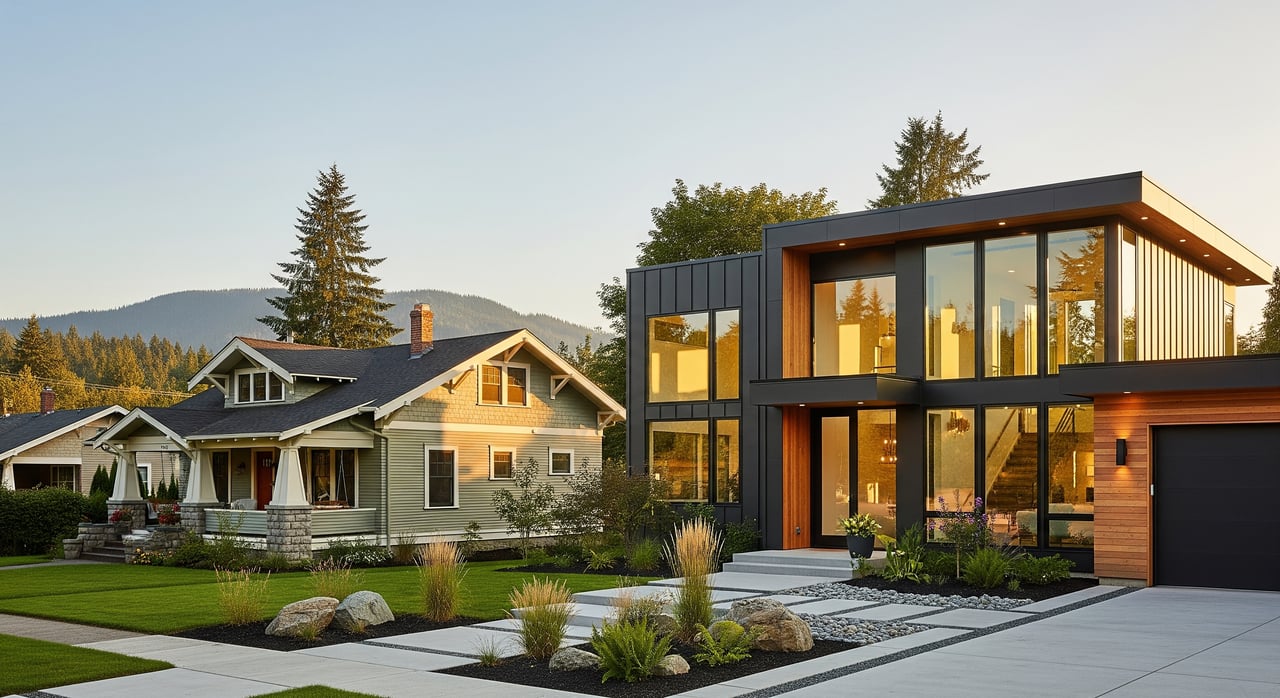
Trying to decide between a brand-new home and an existing resale in Arlington? You’re not alone. Both paths can work well in Snohomish County, but each comes with different costs, timelines, and risks. This guide breaks down what to expect in Arlington so you can choose with confidence, from inspections and permits to financing, taxes, and commute trade-offs. Let’s dive in.
Arlington market context
Arlington sits in northern Snohomish County with regional access to Everett, the I‑5 corridor, and the broader Seattle–Bellevue employment centers. Many buyers choose Arlington for relative affordability compared to central Seattle while weighing commute time and local amenities.
Commute and transit basics
If you plan to commute, review peak travel times and express bus options. You can explore routes and park-and-ride locations through Community Transit. Transit availability can influence your daily routine and long-term resale appeal.
New-build activity and HOAs
Growth areas around Arlington often see new subdivisions, townhome communities, and small-lot single-family development. These projects may include impact fees and homeowner associations. To understand what’s planned or permitted near a property, check the City of Arlington Planning & Community Development.
New construction: what to expect
Benefits of new construction
- Customization. Early buyers can often select finishes, fixtures, and sometimes floor plan options.
- Modern building and energy codes. New homes are built to current Washington standards, which typically improve efficiency and comfort. Learn more from the Washington State Building Code Council and the Washington State Department of Commerce.
- Builder warranties. Many builders offer workmanship and structural coverage for defined periods. Terms vary by builder and contract.
- Lower near-term maintenance. New systems, roofs, and major components can reduce early repair costs.
Trade-offs to consider
- Price premium. New-construction homes often cost more per square foot than comparable resales.
- Incentives and appraisal gaps. Builder perks like rate buydowns or closing cost credits can be helpful, but contract prices may outpace appraisals in fast markets. Review guidance on appraisals and financing from the Consumer Financial Protection Bureau.
- Timelines and delays. Weather, materials, and permitting can shift closing dates. Even “spec” homes follow construction schedules.
- Limited negotiation on price. Flexibility can be lower, and concessions may be tied to preferred lender programs.
- Community maturity. Sidewalks, parks, and nearby retail may arrive later in a brand-new subdivision.
- Punch-list and warranty limits. Expect a punch-list. Know how to submit claims and response timelines.
What to ask and check
- Get a detailed inclusions list. Clarify what is standard versus an upgrade, including appliances, countertops, landscaping, and fencing.
- Request the warranty in writing. Ask for claim procedures and who backs the warranty.
- Hire independent inspections. Plan for pre-drywall, systems checks, and a final inspection. See guidance from the American Society of Home Inspectors.
- Confirm permits and public improvements. Verify what improvements are complete and who is responsible for unfinished work with the City of Arlington Planning & Community Development.
- Review builder and contractor standing. Confirm Washington registration and look for consumer complaints before you commit.
Resale homes: what to expect
Benefits of resale
- Negotiability. Price, repairs, and closing timeline are often more flexible.
- Established neighborhoods. Mature landscaping, known traffic patterns, and existing parks can make day-to-day living more predictable.
- Value-add potential. Buying a home that needs updates can let you tailor improvements and build equity over time.
- Faster move-in. You can often close and occupy sooner than new construction.
Trade-offs to consider
- Deferred maintenance. Older roofs and systems may need replacement sooner.
- Energy efficiency. Unless improved, older homes may be less efficient than new builds.
- Limited warranty coverage. You can purchase a home warranty, but it’s not the same as a builder’s structural coverage.
- Inspection is critical. Hidden issues can surface if the inspection scope is too narrow.
What to ask and check
- Order a comprehensive inspection. Follow with specialists for drainage, septic, pest, mold, or structural concerns as needed. The American Society of Home Inspectors offers general guidance on what a thorough inspection includes.
- Review seller disclosures. Washington requires seller disclosure forms on known material defects.
- Budget for updates. Factor permits and timelines into your total cost of ownership.
Financing, appraisals, taxes, and insurance
Loans and builder incentives
Buyers can use conventional, FHA, VA, or USDA loans on both new and resale homes, where eligible. Some builders offer incentives when you use a preferred lender. Read the fine print and compare against independent lender quotes. For appraisal and financing basics, see the Consumer Financial Protection Bureau.
Appraisal considerations
Appraisers rely on comparable sales. In a new subdivision with limited closed comps, appraisals can come in below contract price. Plan ahead for potential renegotiation with the builder or extra cash if needed. Resales in established neighborhoods may have more comps and a clearer value picture.
Property taxes and assessments
Property taxes in Snohomish County reflect assessed values and levies. New construction often triggers a change in assessed value when the home is completed, which can increase taxes after your first year. Review current rates and any pending assessments with the Snohomish County Assessor.
Insurance and flood risk
Insurance costs vary by home size, systems, and replacement cost. Newer systems can simplify underwriting, while larger or custom builds can increase premiums. If a property sits in a high-risk flood zone, flood insurance may be required. Check a property’s risk level through the FEMA Flood Map Service Center.
Local risks and due diligence
- Floodplains and drainage. Parts of Snohomish County near the Stillaguamish River and other waterways fall within floodplains. Verify any property’s flood status with FEMA maps and county resources.
- Septic and wells. Properties outside sewer service areas may have on-site systems. Confirm capacity and permitting with the Snohomish Health District.
- Slope and landslide hazards. Certain parcels face geologic risks. Review county maps and consult professionals when indicated.
Location and livability factors
Schools and boundaries
School boundaries and enrollment capacity can change over time. Verify current assignments directly with the school district before you decide, especially if school access is a priority for you.
Neighborhood maturity and amenities
New communities may not have fully developed landscaping, trails, or nearby retail right away. Established neighborhoods typically offer a clearer view of traffic levels, park access, and community character.
Commute and transit
If you plan to commute to Everett, Seattle, or Bellevue, try a test run during peak hours. Explore express routes and park-and-ride options with Community Transit to understand your door-to-door time.
Buyer checklist
- Get preapproved with more than one lender and compare total costs.
- Decide your priorities: timeline, customization, maintenance, and budget for upgrades or renovations.
- New construction:
- Request inclusions and a written warranty package.
- Schedule independent inspections at key milestones.
- Verify lot boundaries, landscaping responsibilities, and timing for public improvements with the City of Arlington.
- Resale:
- Order a comprehensive inspection and follow with specialists as indicated by the report. See ASHI guidance.
- Review seller disclosures and recent utility bills.
- Budget for near-term maintenance or updates.
- For both:
- Check flood risk on the FEMA Flood Map Service Center.
- Verify property taxes and assessments with the Snohomish County Assessor.
- Confirm school assignments and commuting options.
- Review permit history with city or county resources.
Total cost of ownership: new vs. resale
There’s no one-size-fits-all answer. New homes often cost more per square foot but can reduce early repairs and may offer better efficiency under current codes. Resale homes may be less expensive upfront but could need roof, system, or cosmetic upgrades. To compare apples to apples, include mortgage payment, taxes, insurance, utilities, and a realistic maintenance or renovation budget in your analysis.
If you are a first-time buyer, explore down payment assistance or education programs through the Washington State Housing Finance Commission. This can help you weigh options with clear numbers.
How Pilchard Properties helps
Choosing between new construction and resale in Arlington is easier when you have local guidance. Our team knows Snohomish County subdivisions, permit timelines, inspection pitfalls, and neighborhood trade-offs. We’ll help you compare real homes side by side, negotiate the right protections, and keep your purchase on track from offer to closing.
Ready to explore Arlington homes with a local expert at your side? Reach out to Pilchard Properties for step-by-step support.
FAQs
What’s usually cheaper in Arlington, new or resale?
- It depends on the property and location. New homes often cost more per square foot but reduce near-term maintenance. Resales may have a lower purchase price but can require updates. Compare total cost of ownership across mortgage, taxes, insurance, utilities, and repairs.
Do I need an inspection on a new-construction home?
- Yes. Independent inspections at pre-drywall and final stages help catch workmanship or code issues. See guidance from the American Society of Home Inspectors.
How do builder incentives affect my financing?
- Incentives can lower your rate or closing costs but may require using a preferred lender. Compare offers and read the fine print. The Consumer Financial Protection Bureau provides helpful financing and appraisal resources.
Could my new home’s appraisal come in low?
- It can, especially in a new subdivision with limited comparable sales. Plan ahead for possible renegotiation or additional cash if the appraisal is below contract price.
How do I check flood risk in Snohomish County?
- Use the FEMA Flood Map Service Center to review a property’s flood zone and ask your insurer for an estimate if flood insurance may be required.
What local permits or fees should I expect with new construction?
- New homes typically involve building permits, utility connections, and impact fees. Confirm details and the status of public improvements with the City of Arlington Planning & Community Development.
Are there down payment assistance options in Washington?
- Yes. The Washington State Housing Finance Commission offers programs for eligible buyers. Review requirements and get preapproved early to understand your options.