Lake Stevens, WA, sits at an elevation of roughly 217 feet in Snohomish County, and the climate here shapes daily life in ways that matter well before you sign anything. Buyers moving to the Puget Sound region almost always ask the same two questions when weighing the pros and cons of living in Lake Stevens: how much rain is actually coming, and do the summers stay mild enough to enjoy?
Both are fair questions, and the answers affect more than your wardrobe. Understanding the weather patterns in Lake Stevens, WA helps you plan a move, schedule home inspections, and budget for seasonal maintenance. With median home prices around $685,000 and houses selling in roughly 12 days, knowing what the climate does to a property - and to your timeline - means you're ready to move when the right home appears.
Lake Stevens Climate Overview
The area falls under a Csb Köppen classification - a warm-summer Mediterranean climate. In plain terms: dry, warm summers and cool, wet winters, which is about as Pacific Northwest as it gets.
Because Lake Stevens sits slightly inland from the Puget Sound, temperatures stay moderate year-round. You're generally looking at roughly 35°F at the coldest stretch of winter and about 77°F at the summer peak - not dramatic swings by any measure.
The Puget Sound Convergence Zone
Snohomish County regularly gets hit by the Puget Sound Convergence Zone, and it's worth understanding before you assume every rain forecast applies equally to your neighborhood. The phenomenon happens when wind currents split around the Olympic Mountains and collide again over the area, creating localized rain bands.
For residents in the 98258 zip code, that can mean a sudden downpour at your front door while towns a few miles south are perfectly dry. When you're touring homes across different neighborhoods, plan for that variability.
Seasonal Conditions Year Round
Summer here is the easy part. July and August bring clear skies, comfortable warmth, and the lowest rainfall of the year - the kind of weather that makes the lake actually feel like a selling point rather than a backdrop.
Winter is a different story entirely. From late November through February, expect consistent overcast and frequent drizzle. It's not dramatic, but it's relentless enough that gutters and heating systems need real attention, not just an annual thought.
Spring and Fall Transitions
Spring comes in slowly. March and April mix stretches of sunshine with lingering rain, and temperatures tend to hover in the 40s and 50s - pleasant enough, just unpredictable.
Fall is a quicker shift. October brings a noticeable cool-down and an uptick in precipitation. If you're a seller, that's your cue to get the roof checked before the serious rain arrives.
Monthly Temperature Benchmarks
January opens the year with average highs around 44.1°F and lows near 35°F. February is nearly identical at highs of roughly 44.8°F and lows around 35.2°F, then March edges up to an average high of 48.9°F. April reaches highs near 54.3°F with lows of 40.3°F, and May pushes into more comfortable territory at highs of 62.2°F and lows of 44.8°F. By June you're at highs of about 66.2°F and lows around 47.7°F.
The Hottest and Coldest Months
August is the warmest month, with average highs reaching 73°F and lows around 52.5°F. That mild peak is why plenty of older homes in the area get by just fine without central air conditioning.
December is the other end of that range - average highs of 42.3°F and lows bottoming out near 34.7°F. If you're buying during the cold months, put the furnace or heat pump efficiency at the top of your inspection checklist.
Rain, Snow, and Humidity
Precipitation isn't a seasonal guest here; it's a permanent resident. The area receives approximately 29.57 to 36 inches of rain annually, spread across roughly 179 rainfall days.
That steady moisture drives up humidity through the winter months. It doesn't feel oppressive the way humid summers do farther east, but it's persistent enough that proper home ventilation isn't optional - it's how you keep condensation off your windows and mold out of your walls.
Annual Snowfall Totals
Snow happens, but it's not a defining feature of the winters here. The city averages between 4 and 6.1 inches of snowfall per year, typically across about nine snow days. February is historically the snowiest month at an average of 2.68 inches.
Because heavy, consistent snow isn't the norm, local municipalities run with limited plowing resources. A modest snowfall can still slow your morning commute more than you'd expect.
Severe Weather and Natural Hazards
The region sidesteps hurricanes and tornadoes, but the Pacific Northwest has its own version of severe weather to plan for. Atmospheric rivers are the main event - they push large volumes of rain through in short, intense bursts that put real pressure on drainage systems and property grading.
If water isn't flowing away from the foundation, those rain events will find the crawlspace or basement. It's one of the first things worth looking at during any inspection here.
Windstorms and Wildfire Smoke
Winter windstorms roll through the Puget Sound with enough force to knock down branches and knock out power. Properties with large, mature trees aren't automatically a problem, but they do require regular arborist inspections to stay ahead of falling limbs.
Late summer brings a different concern: wildfire smoke drifting in from other parts of Washington or Canada when the wind shifts. It's become common enough that buyers frequently ask about HVAC systems and air filtration before they ask about countertops.
Relocation Timing and the Local Housing Market
The market here doesn't wait for good weather. Homes spend roughly 12 days on the market before going under contract, and about 31% of properties sell above asking price. Timing your search around the forecast is a reasonable instinct, but it has limits.
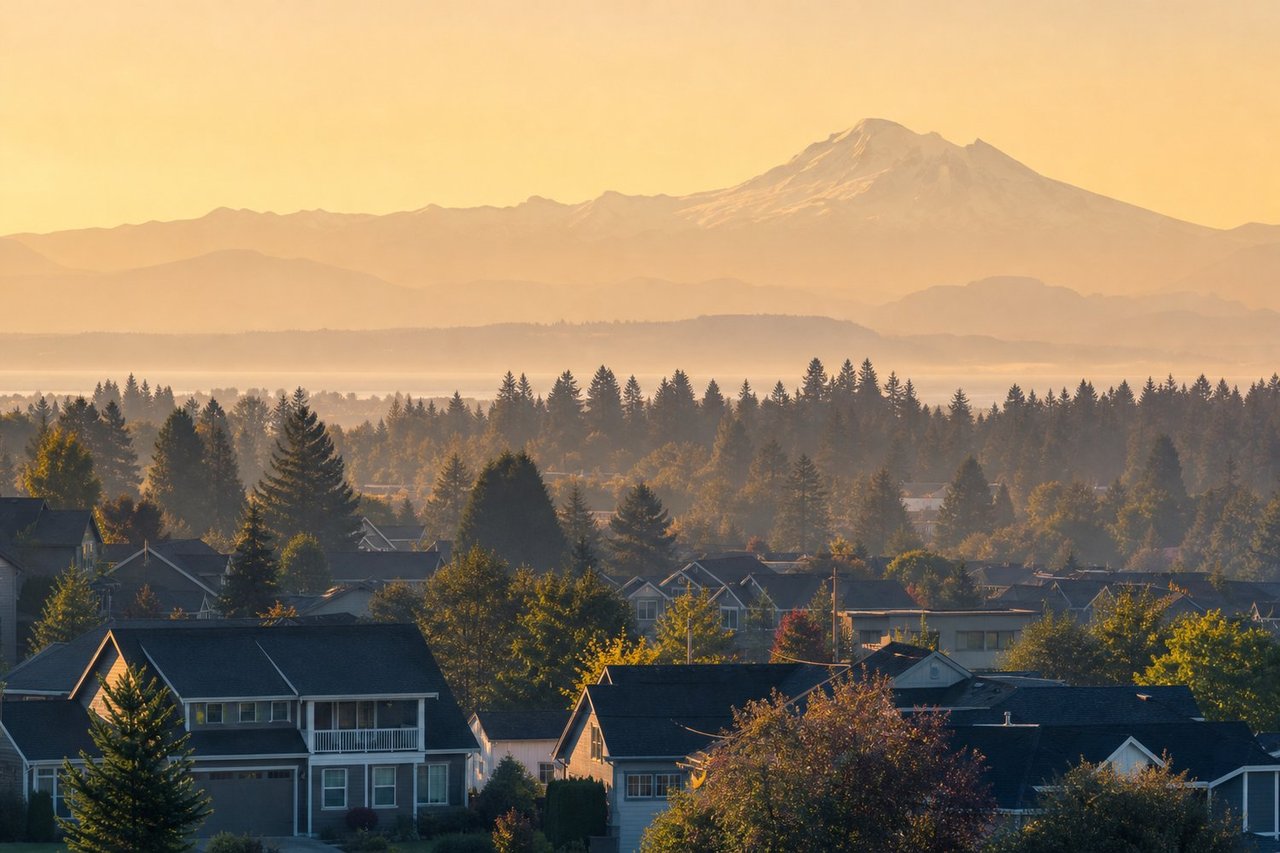
Touring between May and September gives you the most comfortable conditions and the clearest views of the mountains and the lake. The wet winter months tend to thin out the competition, which has its own appeal for buyers who can look past the drizzle.
Planning Your Move Around the Weather
Scheduling your moving truck in July or August is the obvious call if you have any flexibility - unloading in a downpour is miserable, and the mud is real. If you're moving during the rainy season, hire movers who know how to protect floors and furniture.
That said, with only about 133 homes in the active inventory, holding out for a weather window you like might mean watching the right property sell to someone who showed up in the rain. Stay ready to tour year-round. The forecast is not a reason to pause.
Frequently Asked Questions
When is the best time of year to list a house in Lake Stevens, WA to avoid the worst of the rainy season?
The best window is May through August, when average highs climb into the 60s and 70s. That stretch sidesteps the heavy precipitation that peaks across the 179 annual rainfall days, and the sunlight does real work for curb appeal and listing photos.
Do I need to buy special flood insurance for a waterfront home on Lake Stevens during heavy winter storms?
It depends on the specific elevation and flood zone of the property. The city sits at roughly 217 feet above sea level, but homes directly on the shoreline may carry their own insurance requirements. Check the FEMA flood maps and run it by your lender before you assume you're covered.
How do the frequent Pacific Northwest rains impact roof and drainage inspections for Lake Stevens buyers?
With 29 to 36 inches of annual rain, roof and drainage inspections aren't something to treat as optional. Inspectors here look closely at moss buildup, gutter condition, and whether grading directs water away from the foundation. Water intrusion is one of the most common issues that turns up during winter inspections.
Are certain Lake Stevens neighborhoods more prone to winter power outages or wind damage than others?
Densely wooded neighborhoods carry a higher risk. Falling branches are the primary culprit for both wind damage and disrupted power lines during winter storms. Buyers in those areas often install backup generators rather than hoping for the best.
What are the most common weather-related property damages buyers should look out for in Lake Stevens homes?
Start with moisture damage in crawlspaces and condensation problems around windows. High winter humidity combined with frequent rain creates indoor air quality issues when ventilation falls short. Exterior wood rot on decks and siding is also something inspectors flag regularly.
How should sellers winterize a vacant home in Lake Stevens to prevent freezing pipes and moisture damage?
Keep the heat set to at least 55°F through December and January, when lows drop to around 34.7°F. Make sure gutters are clear of fall leaves so winter rain has somewhere to go. Leaving cabinet doors open under sinks lets warm air reach the plumbing - it's a small step that prevents a genuinely expensive problem.