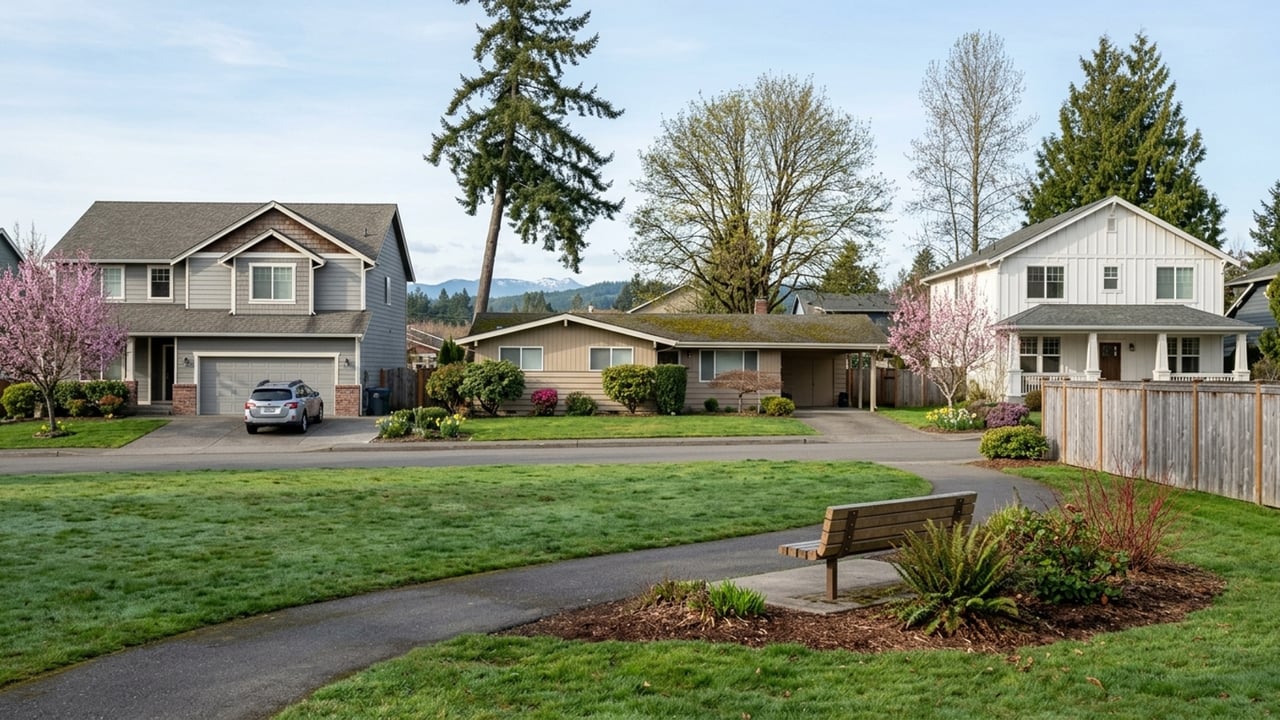
Marysville, WA sits at an elevation of just 16 to 17 feet above sea level, which puts it squarely in coastal Pacific Northwest territory. Buyers evaluating the pros and cons of living in Marysville, WA often want to know how the seasons here stack up against the rest of the country - especially regarding rain and winter temperatures.
It's a fair question, and a practical one. With the median sale price in Marysville recently hovering around $620,000, you're making a serious commitment. Knowing what your day-to-day environment feels like - what it does to your utility bills, your siding, your weekend plans - matters before you sign anything.
Marysville, WA Weather at a Glance
Most climate data platforms put Marysville in the Köppen Csb category, which is a warm-summer Mediterranean climate. A handful of sources call it Cfb - oceanic and temperate. Either way, you're looking at the same reality: mild temperatures year-round, dry summers, wet winters.
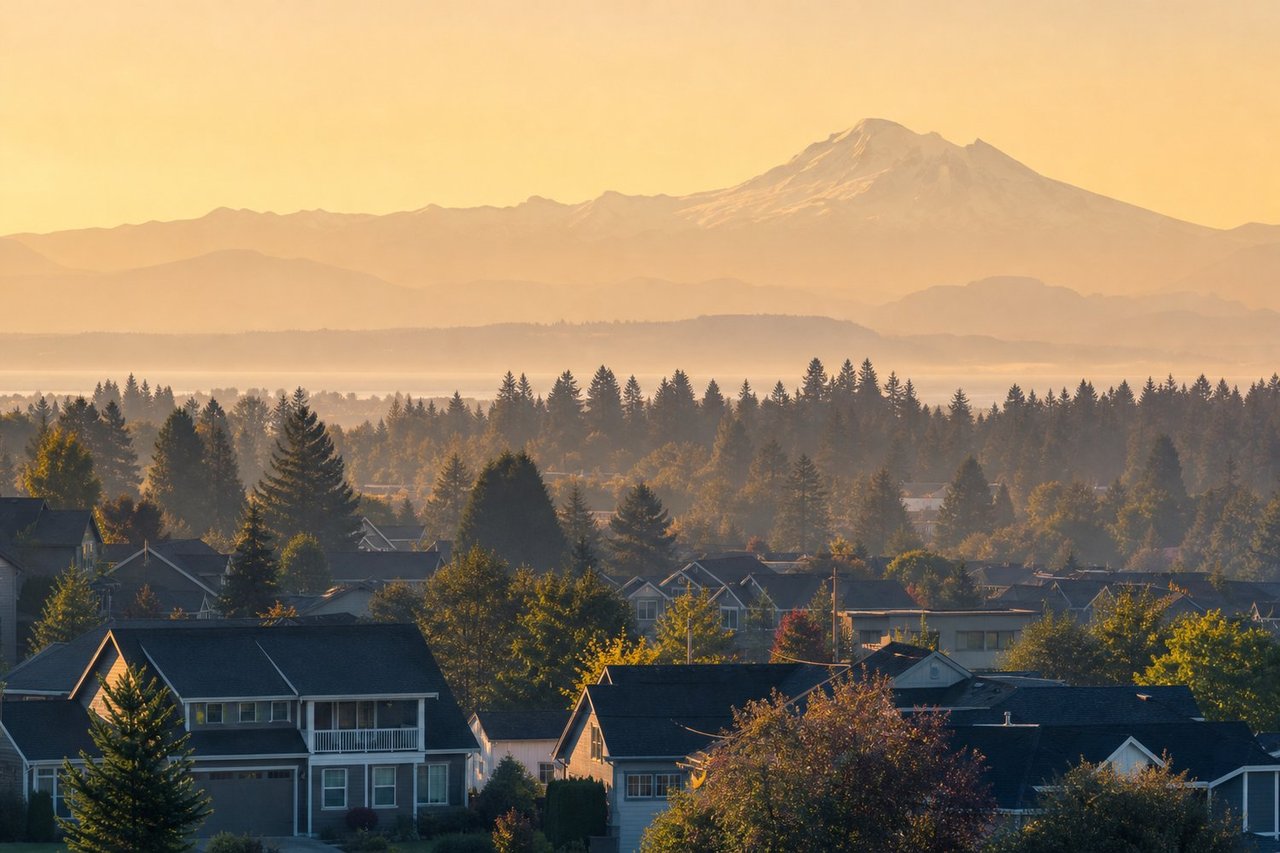
Being this close to sea level keeps the extremes in check. The waters of Puget Sound act as a natural thermostat, taking the edge off summer heat and keeping winter from turning genuinely brutal.
The Local Climate Zone
The Mediterranean and oceanic classifications mean Marysville doesn't deal with the desert heat of the Southwest or the snowpack winters of the Midwest. What you get instead is a long, damp cool season and a shorter warm one that's genuinely pleasant. For homeowners, that predictability makes scheduling outdoor maintenance a lot more manageable.
A Season-by-Season Look at Marysville Weather
August is the peak of summer - average highs run between 73 and 77 degrees, with overnight lows settling in around 52 to 55 degrees. It's comfortable without being oppressive.
December is the flip side. Expect daytime highs of roughly 42 to 46 degrees, with overnight lows dipping to around 32 to 35 degrees. Cool and gray, but nothing you'd call extreme.
Summer in Marysville
Summer is when Snohomish County earns its reputation. The driest days of the year arrive in July, when humidity averages between 65 and 73 percent. Daytime highs rarely push into the 80s, so most homes here get by just fine with open windows and ceiling fans - heavy air conditioning isn't the necessity it is in other parts of the country.
Winter in Marysville
Winter here is wet, not frozen. December and January are the most humid months of the year, with levels peaking around 84 to 85 percent. But temperatures typically hold just above freezing during the day - January average highs come in around 47 degrees, with overnight lows near 33 degrees. You're reaching for a rain jacket far more often than a snow shovel.
Spring and Fall Transitions
Spring and fall ease you between the two main seasons - humidity shifts, rainfall comes and goes, temperatures stay mild enough that a light jacket handles most days. These shoulder seasons are when most homeowners tackle gutter cleaning and prep work before the next seasonal swing arrives.
Rain, Snow, and Humidity Averages
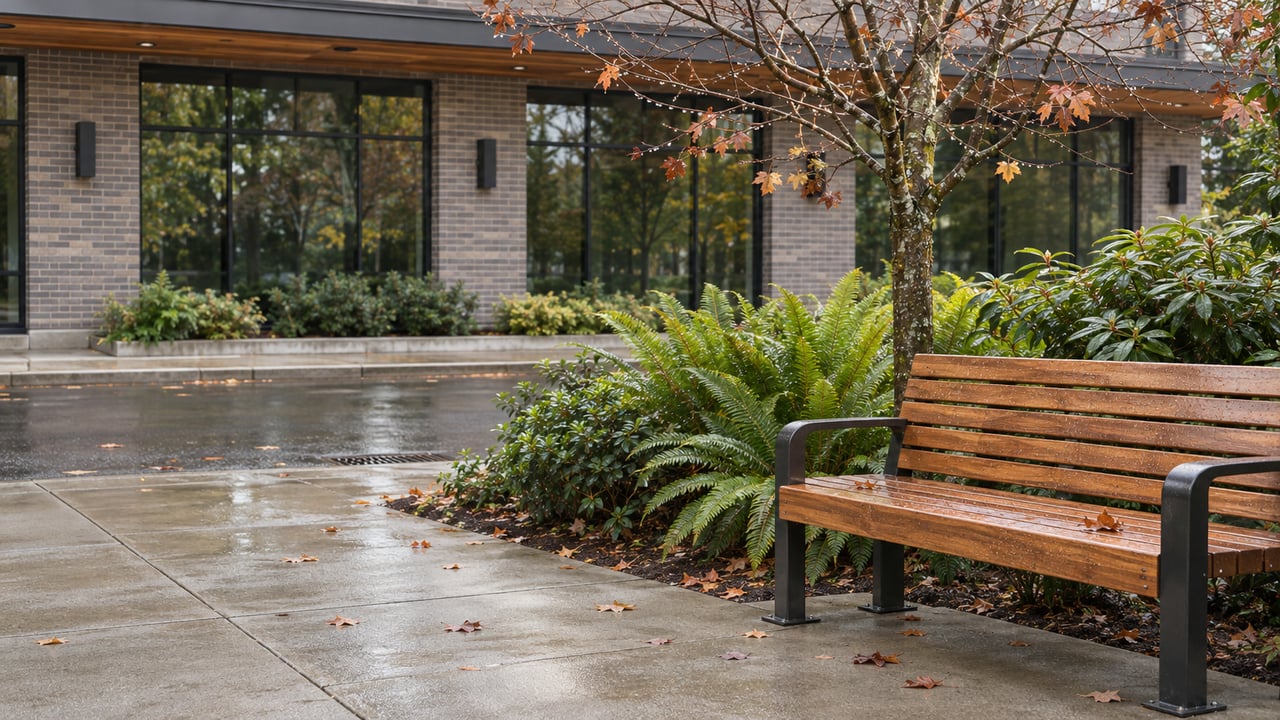
Marysville gets approximately 44 to 46 inches of rain annually. The national average is 38 inches, so yes, this area runs wetter - though that's true of most communities in Western Washington. What you don't get much of is frozen precipitation. The annual average relative humidity sits between 73 and 79 percent, which reflects just how consistently moist the air stays through most of the year.
Annual Snowfall Totals
The city averages just 3 to 4 inches of snow per year - well below the United States average of 28 inches. When snow does fall, it's almost always in December or January, and even in those peak winter months the typical accumulation is only 1 to 1.6 inches. It's not nothing, but it's also not something most buyers here spend much time worrying about.
Managing Local Humidity
With winter humidity regularly hitting 85 percent, ventilation deserves real attention. Running bathroom fans consistently and keeping an eye on crawlspaces goes a long way toward preventing condensation buildup. Come summer, the humidity drops to that 65 to 73 percent range and the warm afternoons feel genuinely comfortable rather than sticky.
Timing Your Move to Snohomish County
Recent data shows available homes in Marysville spending roughly 16 days on the market - things move quickly here. Buyers planning a relocation naturally want to line up their closing date with decent weather.
Summer is the easiest window, with lower rain probability and comfortable temperatures. That said, the winters here are mild enough that moving companies operate year-round without serious weather disruptions.
Best Months for Weather
July and August give you the most reliable sunshine and the lowest humidity of the year - a wide, forgiving window for moving truck loading and unloading without stressing about water damage to furniture. Late spring and early fall work well too. Temperatures stay moderate, and while rain is always possible, it tends to come down as a light drizzle rather than anything that stops a move in its tracks.
Real Estate and Daily Life in Marysville
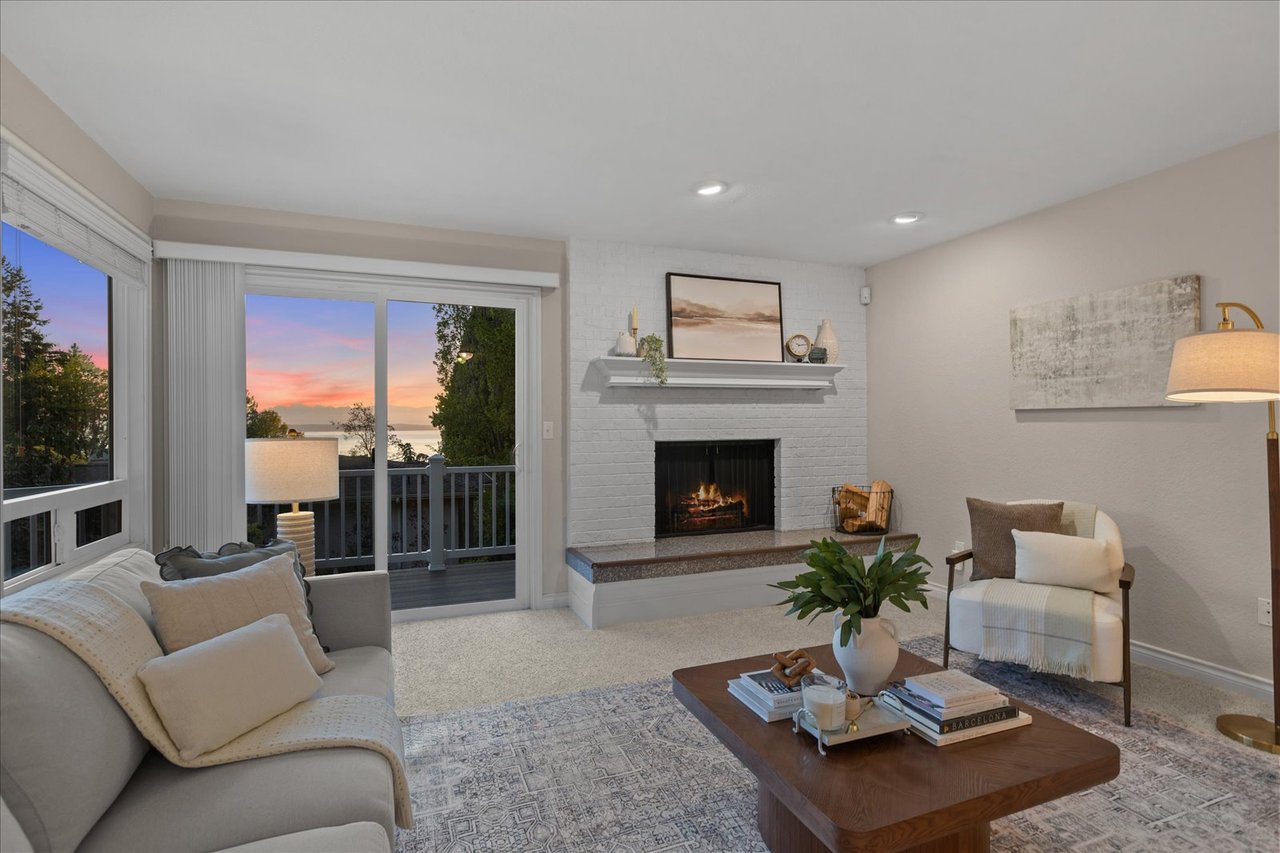
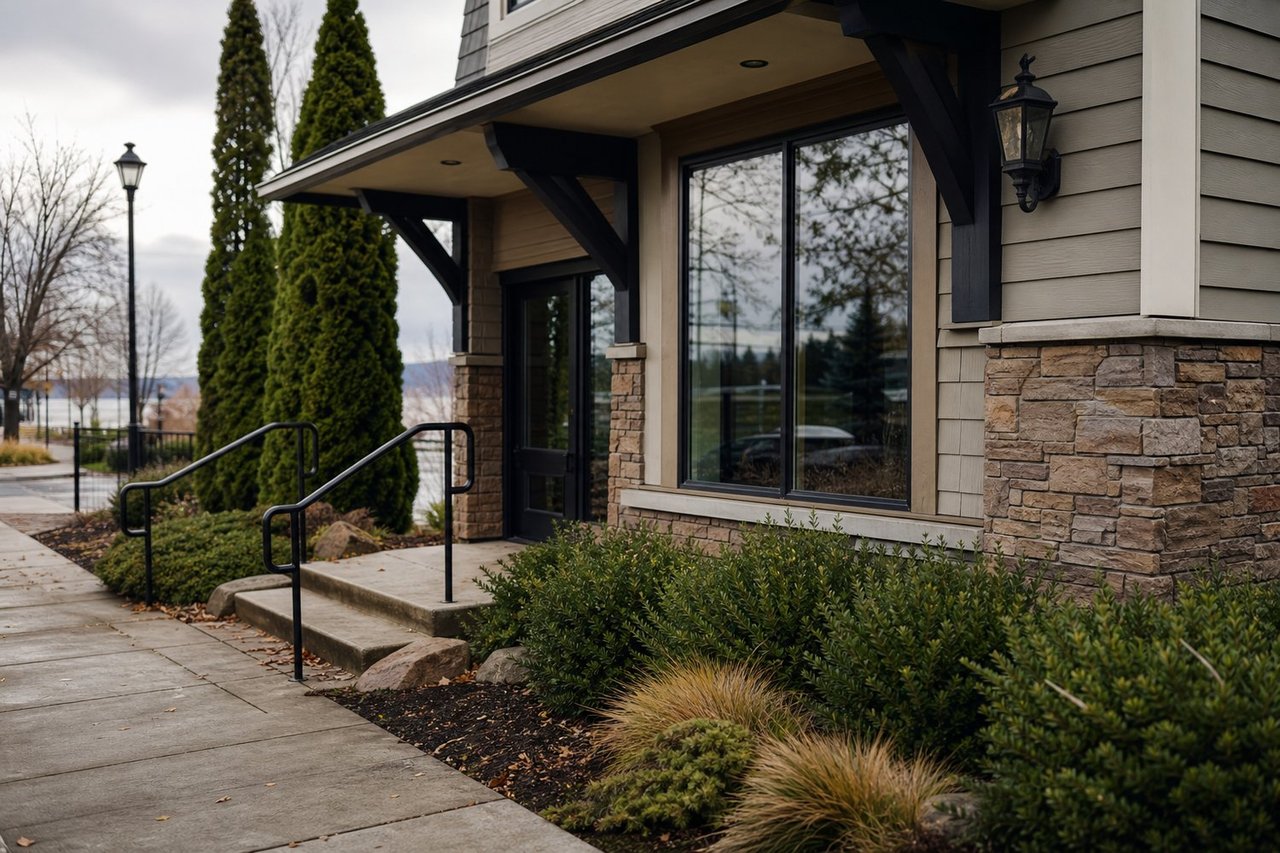
With 279 homes recently sold in the area, the market here stays active. You'll find single-family homes, townhouses, and properties with larger lots - the kind of outdoor space the mild climate makes worth having. Covered patios, mudrooms, and attached garages show up as popular features for good reason; they're the practical answer to living somewhere with frequent rainy days.
Climate-Controlled Storage Needs
Many buyers use storage units during their transition into the area. Given that annual average relative humidity sits between 73 and 79 percent, climate-controlled storage in Marysville, WA is worth the extra cost if you're protecting electronics, wood furniture, or documents. Once you're settled, it's worth looking for homes with well-ventilated garage or basement space - the humidity here makes long-term storage an ongoing consideration, not a one-time decision.
Frequently Asked Questions
What is the weather like in Marysville, WA year round?
Marysville features a temperate, warm-summer Mediterranean climate with mild temperatures throughout the year. Summers are warm and dry with highs in the mid-70s, while winters are cool and wet with highs in the mid-40s.
Does it snow in Marysville, WA, and how much?
Yes, but very little compared to the national average. The city receives roughly 3 to 4 inches of snow annually, mostly falling in December and January.
Is it humid in Marysville, WA?
The area experiences moderate to high humidity year-round, averaging between 73 and 79 percent. Humidity peaks around 84 to 85 percent in the winter and drops to about 65 to 73 percent in July.
When is the best time of year to schedule a move to Marysville to avoid bad weather?
July and August are the driest and warmest months, making them ideal for moving. Humidity is at its lowest, and average highs reach 73 to 77 degrees.
Does Marysville get as much rain as Seattle or other parts of Western Washington?
Marysville receives about 44 to 46 inches of rain per year. This is higher than the national average of 38 inches and aligns with the typical wet climate found across Western Washington.