If you own a historic home in Snohomish, you are not just selling square footage. You are selling a property with age, story, and details that buyers may not find anywhere else. That can be exciting, but it also means you need to be ready for more questions, more documentation, and a more careful marketing approach. This guide will help you understand what matters most before you list, from local review rules to buyer concerns and smart prep steps. Let’s dive in.
Why historic homes in Snohomish stand apart
Snohomish has a local Historic District that was established to preserve historic heritage and guide site development and architecture. The city identifies features like mature street trees, alleys, sidewalks, and pedestrian activity as part of the district’s character. If your home is in that district, exterior changes may fall under local design review.
That is an important point because not every older home has the same status. A home can be old, locally historic, or formally listed, and those are different things. In Washington, National Register listing by itself does not restrict a private owner’s use or sale, but local ordinances can create design-review obligations.
Know your home’s historic status
Before you put your home on the market, confirm exactly how it is classified. Buyers will often ask whether the property is inside the Snohomish Historic District, whether it has been officially listed, and whether prior exterior work needed review or approval.
Being precise helps you avoid confusion in marketing and negotiations. It also builds trust because buyers of historic homes tend to care about what is original, what has been updated, and what rules may apply to future work.
Historic District review in Snohomish
If your home is inside the Snohomish Historic District, the city’s Design Review Board reviews a range of exterior and site-related changes. That can include exterior modifications to existing structures, construction that requires a permit, demolitions, fences, signs, some temporary vendor structures, special tax valuation requests, and requests to add structures to the official historic list.
The city also encourages a free conceptual pre-application review. If you have completed exterior work in the past or planned work before listing, it is worth gathering any related approvals, drawings, or correspondence now.
Prepare your disclosures early
Washington requires sellers of improved residential real property to provide a completed disclosure statement based on their actual knowledge. Unless that requirement is waived, the disclosure is due no later than five business days after mutual acceptance. After receipt, the buyer generally has three business days to rescind.
That timeline is one reason pre-listing preparation matters. If you learn new information before closing that makes your disclosure inaccurate, you must amend it. For a historic home, having your records organized before you hit the market can make this process much smoother.
Lead-based paint rules for older homes
If your home was built before 1978, federal law requires lead-based paint disclosures. Sellers must disclose known lead-based paint hazards, provide the required EPA pamphlet, and give the buyer an opportunity to conduct a lead inspection.
This does not mean every older home has a major issue. The bigger concern is usually deteriorated paint on worn, damaged, or friction-prone surfaces, since that can create lead dust hazards. If you have had testing, stabilization, or lead-safe work done, be ready to share that information clearly.
Build a strong seller file
Historic-home sales often move more smoothly when the seller has a complete paper trail. Buyers and inspectors usually want a clear picture of what is original, what has been repaired, and what has been updated over time.
A well-prepared file may include:
- Permit records
- Prior design-review approvals
- Renovation dates
- Contractor invoices
- Historic photos
- Inspection reports
- Lead documentation
- Special tax valuation paperwork, if applicable
This kind of documentation does more than answer questions. It also helps support your asking price and gives buyers confidence that the home has been cared for thoughtfully.
Expect buyers to focus on condition and character
Many buyers are drawn to historic homes because of craftsmanship, materials, and architectural details. At the same time, they want reassurance that the home has been maintained and that key systems are in workable condition.
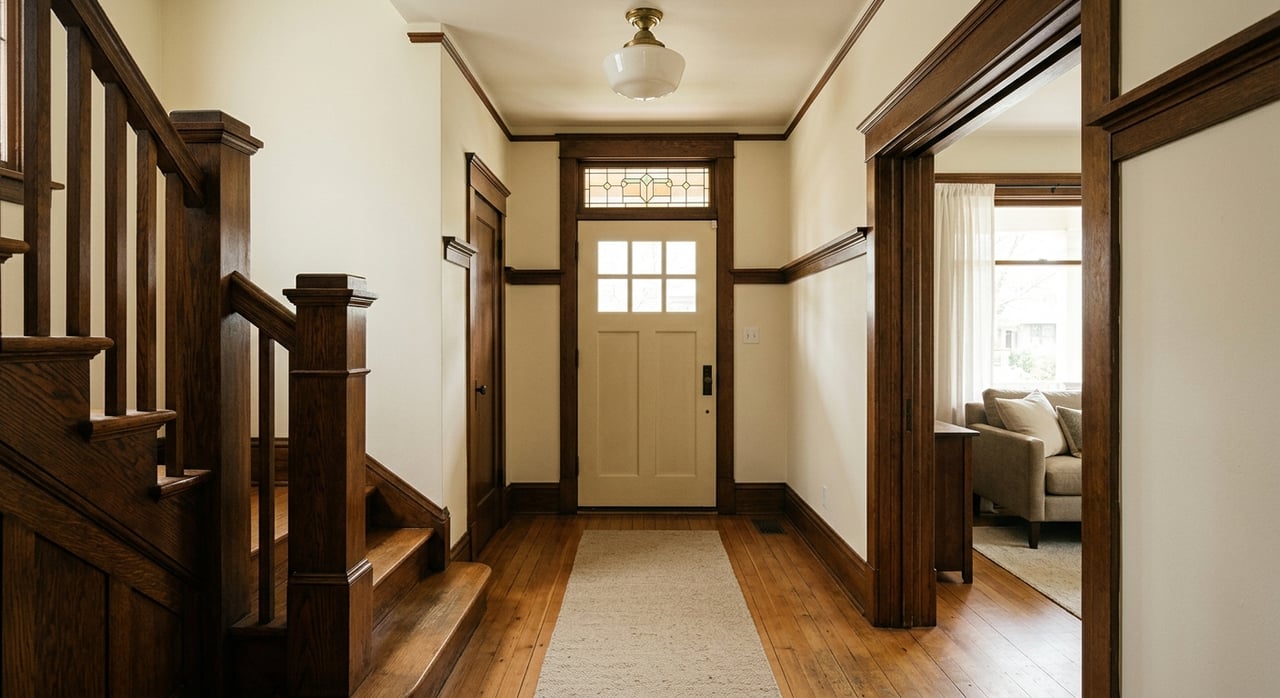
Preservation guidance emphasizes identifying and preserving character-defining exterior features, interior spaces, finishes, site features, and setting. In real-world terms, that means buyers often look closely at original windows, trim, flooring, built-ins, porches, siding details, and other visible elements that give the home its historic identity.
Questions buyers may ask
When selling a historic home in Snohomish, expect practical questions like these:
- Is the property inside the Historic District?
- What exterior work has been approved?
- Which features are original?
- What systems have been updated, and when?
- Are there lead-based paint disclosures or records?
- Was the property ever enrolled in special tax valuation?
If you can answer these questions quickly and clearly, you reduce uncertainty. That can help buyers feel more comfortable moving forward.
Market the home’s story, not just its age
The best marketing for a historic home usually focuses on preservation, craftsmanship, and setting rather than simply saying the home is old. In Snohomish, that means highlighting how the property fits into the city’s historic character and what features make it stand out.
A strong listing strategy may call attention to original materials, period details, thoughtful repairs, and approved restorations. Buyers often respond well when they can see both the charm of the home and the care that has gone into maintaining it.
What to highlight in your listing
Your marketing should be accurate, specific, and easy to understand. Good details to feature may include:
- Original woodwork or millwork
- Preserved architectural details
- Documented restoration work
- Updated systems with dates, if known
- Historic photos or ownership history, if available
- A clear explanation of whether the home is in the Historic District
This approach helps attract buyers who appreciate what makes the property special. It also sets better expectations before showings begin.
Be careful with tax incentive claims
Some historic properties in Washington may be connected to the state’s special tax valuation program. According to the Washington State Department of Archaeology and Historic Preservation, this program can reduce the tax impact of substantial qualified rehabilitations for 10 years when the local jurisdiction has adopted the program and the project meets the requirements.
If your property has used this program, gather the approval and valuation records before listing. Just be careful not to overstate benefits. Tax incentives depend on program rules, property status, and use.
For example, the federal 20% historic rehabilitation tax credit applies to historic buildings used for business or other income-producing purposes. It does not apply to owner-occupied residential properties. If your home is owner-occupied, buyers should not be led to expect that credit.
How to get ahead before listing
Selling a historic home can be smoother when you take a few steps before your home goes live. A little preparation can reduce surprises during buyer due diligence.
Start with a practical checklist:
- Confirm whether your home is inside the Snohomish Historic District.
- Gather past permits, approvals, and renovation records.
- Review your Washington seller disclosure for completeness.
- Collect any lead-based paint records if the home was built before 1978.
- Identify original and updated features so you can explain them clearly.
- Prepare marketing that highlights character, maintenance, and documentation.
These steps can help you present the home with more confidence. They also make it easier to answer buyer questions without scrambling late in the transaction.
Why local guidance matters
Historic-home sales are rarely one-size-fits-all. In Snohomish, local review rules, property history, and buyer expectations can all affect how you prepare, price, and market the home.
That is where local experience can make a real difference. When your agent understands Snohomish County, the local buyer pool, and the details that matter in older homes, you are in a better position to tell the home’s story well and avoid preventable issues.
If you are thinking about selling a historic home in Snohomish, Pilchard Properties can help you build a smart plan, organize the right details, and market your home with the care it deserves.
FAQs
What makes selling a historic home in Snohomish different?
- A historic home in Snohomish may involve local design-review considerations, more buyer questions about original features and updates, and a greater need for organized documentation before listing.
Does National Register listing restrict the sale of a Snohomish home?
- No. National Register listing alone does not restrict a private owner’s use or sale of the property, though local ordinances may still create review requirements.
What disclosures are required when selling an older home in Washington?
- Washington sellers must provide a disclosure statement based on actual knowledge, and homes built before 1978 also require lead-based paint disclosures and related federal forms.
What does the Snohomish Historic District review cover?
- The city’s Design Review Board reviews certain exterior modifications, permitted construction, demolitions, fences, signs, some temporary vendor structures, special tax valuation requests, and some historic-list requests within the district.
What records should you gather before listing a historic home in Snohomish?
- Helpful records include permit history, prior design-review approvals, renovation dates, contractor invoices, inspection reports, historic photos, lead documentation, and any special tax valuation paperwork.
Can buyers use federal historic tax credits on an owner-occupied Snohomish home?
- No. The federal 20% historic rehabilitation tax credit is for historic buildings used for business or other income-producing purposes, not owner-occupied residential properties.