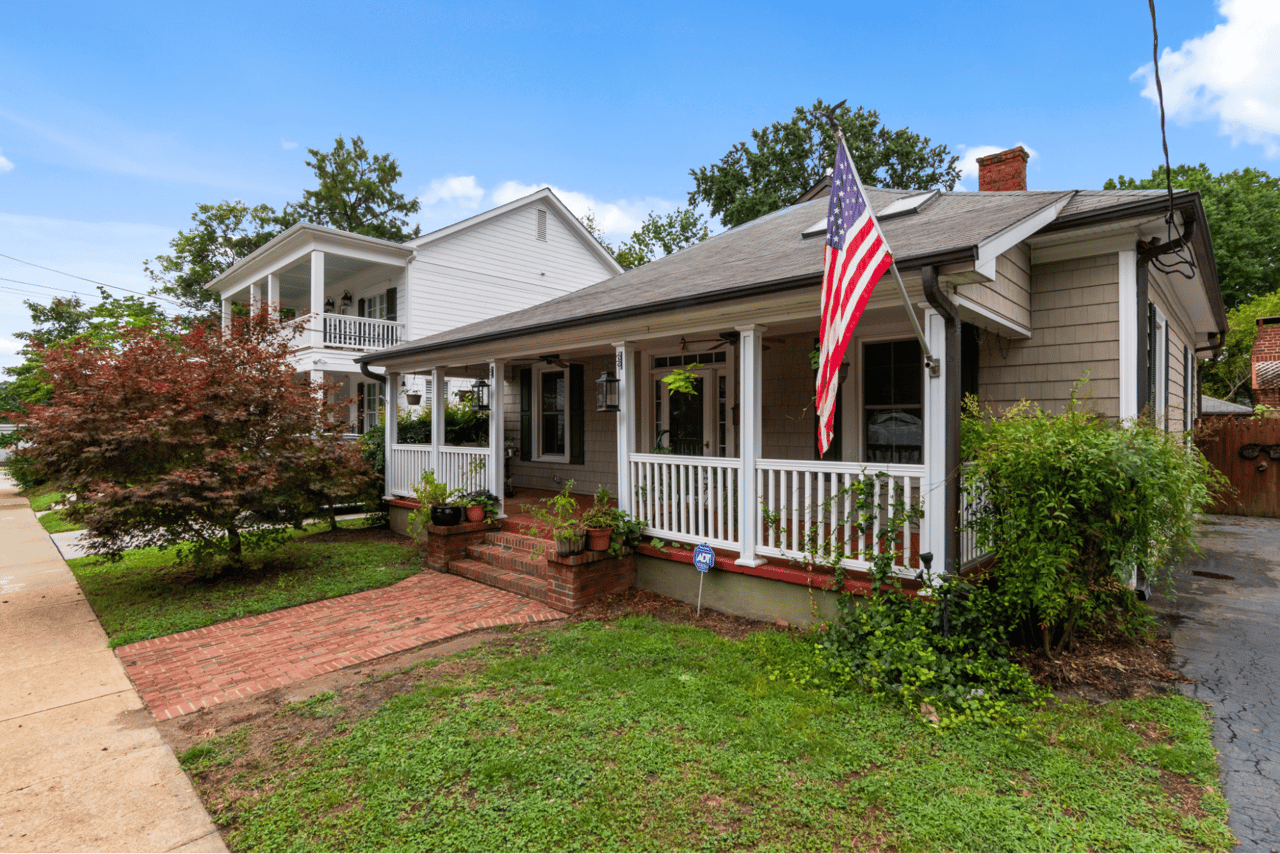
Walk through an older Marysville house slowly and it will tell you where to look. A water line on a crawlspace post, a newer panel beside much older wiring, or a downspout emptying against the foundation can matter more than fresh paint.
That does not make every pre-2000 home a project. It means age should prompt questions rather than assumptions. The right inspection and record review reveal whether a settled neighborhood, useful yard, and comfortable layout come with ordinary maintenance or overdue replacements.
Pilchard Properties helps buyers examine the house, the documents, and the likely first years of ownership together. Here is what deserves attention before buying an older home in Marysville.
Why Older Marysville Homes Attract Careful Buyers
New construction cannot reproduce decades of tree growth or an established streetscape on opening day. Some older Marysville listings also have wide side yards, workshops, garden space, or less standardized layouts. Those qualities are property-specific, so compare actual dimensions, usable space, condition, and price rather than assume age automatically means better value.
A larger lot may suggest room for an accessory dwelling unit, but open space does not establish development potential. Marysville recognizes ADUs; feasibility still depends on zoning, setbacks, utilities, access, critical areas, and design. Verify the parcel with the city before letting possible rental income support an offer.
Some older houses contain dense lumber or substantial framing, but a building year does not prove superior workmanship. Moisture, alterations, pests, and maintenance determine present performance. Character has value; condition determines its cost.
Let the Building Decade Guide the Questions
The year built is a useful starting point because materials and practices change over time. It is not a diagnosis. Systems may have been replaced, repaired in stages, or altered by several owners, so the visible house can contain components from four different decades.
Homes Built Before 1978
Federal law treats pre-1978 housing differently because it may contain lead-based paint. Under the EPA’s real estate disclosure rule, the seller must disclose known information, provide available records and the EPA pamphlet, and give the buyer a ten-day testing opportunity unless the parties agree otherwise in writing. Disclosure does not certify the home as lead-free. Testing matters especially when paint is peeling or planned work will disturb painted surfaces.
Asbestos may be present in floor tiles, pipe insulation, cement products, or textured finishes, but appearance cannot confirm it. Intact material left alone presents a different concern from material being cut or removed. Before renovation, arrange qualified sampling and follow Puget Sound Clean Air Agency rules. Contractor requirements depend on the building and proposed work.
Very old homes may retain knob-and-tube wiring, while some 1960s and 1970s houses contain aluminum branch wiring. An electrician should examine grounding, connections, alterations, heat damage, service capacity, and expected household load.
Homes Built in the 1980s and 1990s
These houses can feel modern while original components approach replacement age. A furnace or heat pump from the construction year is well beyond a typical service interval even if it starts. Check its age and service records, then obtain a replacement estimate.
Some homes from this period contain polybutylene supply piping. If an inspector suspects that material, a plumber can identify it and assess the fittings, repair history, and replacement scope. Insurer treatment varies, so obtain a property-specific quotation.
If the exterior uses EIFS, or synthetic stucco, consider a moisture-focused assessment when flashing details or staining raise concern. Performance depends on drainage, penetrations, and maintenance. Its presence alone does not prove hidden decay.
Turn the Home Inspection into an Ownership Plan
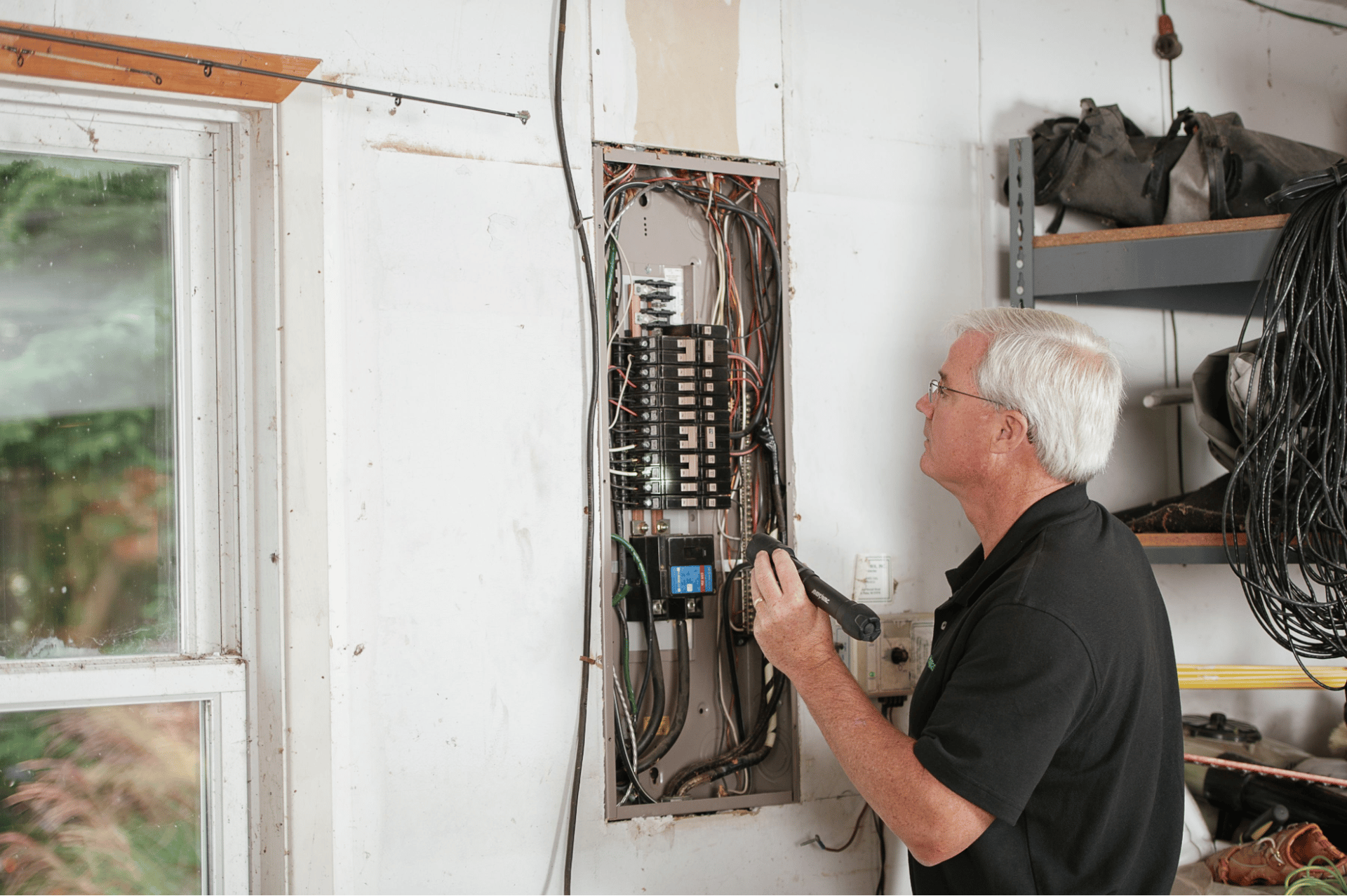
Washington licenses home inspectors under RCW 18.280. Verify the license, review a sample report, and choose someone who separates observed conditions from recommended action. A standard inspection is visual and noninvasive; it cannot reveal every concealed defect, but it should show where a specialist or estimate is justified.
Begin with the roof, gutters, and drainage. Record the material, approximate age, repairs, flashing, penetrations, and attic signs of leakage or poor ventilation. Moss is not proof of failure, although it complicates maintenance. Downspouts and soil should direct water away from the foundation.
In the crawlspace, look for water, an incomplete vapor barrier, leaks, damaged insulation, wood decay, insects, makeshift supports, and foundation movement. A musty odor or sloping floor identifies a question, not its cause. The finding may call for a drainage contractor, engineer, plumber, or pest professional.
Identify the panel and visible wiring rather than relying on a remodeling date. Federal Pacific or Zinsco equipment is commonly flagged by inspectors and insurers, but an electrician should determine the condition and response. Not every legacy panel has the same history or configuration, so a categorical online warning is not an electrical evaluation.
Plumbing needs more than a faucet test. Galvanized supply pipe can corrode internally, sometimes causing low pressure or discolored water, though those symptoms have other causes. Identify supply and waste materials, including mixed repairs, and ask a plumber to price a repipe when warranted.
A sewer camera is useful when the lateral is old, trees are nearby, drains run slowly, or repair history is absent. It can reveal roots, offsets, damage, or standing water. First confirm whether the home uses sewer or septic and who is responsible for the lateral. A scope is a targeted tool, not a universal requirement.
Compare Renovations with the Permit Record

An attractive addition should have a history that makes sense. Read Washington’s seller disclosure for remodeling, leaks, defects, permits, and final inspections. It reflects the seller’s actual knowledge, and state law advises buyers to use qualified experts for a fuller examination.
Search the address through Marysville’s Permit Portal and Digital Records Center. County records cover work under Snohomish County jurisdiction, not every Marysville mailing address. If annexation or boundary changes are relevant, confirm which agency handled the work at that time.
Compare each permit description and final status with the house. A bathroom, garage conversion, porch, deck, or panel replacement without a matching record deserves follow-up. Missing records do not prove illegal work; older files can be incomplete and some projects are exempt. Determine whether the improvement is safe, recognized, financeable, insurable, and likely to complicate future work or resale.
Match the Loan to the House’s Present Condition
Conventional loans can finance many older homes, but approval still depends on the lender, appraisal, and condition. Active damage, safety concerns, or failed systems may require attention before closing. Give the lender accurate information instead of assuming conventional financing removes condition requirements.
FHA and VA loans have minimum property standards. Peeling paint on a pre-1978 house, unsafe stairs, broken windows, roof failure, or nonworking systems may lead to required repairs. The appraiser and lender make that determination.
An FHA 203(k) loan can combine acquisition and eligible rehabilitation costs. HUD’s Limited program permits up to $75,000 in improvements; the Standard program supports larger work through a consultant process. Bids, review, draws, and timing make early discussion with an experienced lender essential.
Cash removes lender repair conditions, not defects, permit questions, title concerns, or insurance needs. The buyer still needs investigation and a reserve for future work.
Price Insurance Before the Inspection Period Ends
Older-home underwriting differs among insurers. Carriers may examine roof age and material, electrical equipment, wiring, plumbing, heating, prior claims, and general condition. One company may decline a feature that another accepts with a higher premium, limited coverage, or a required update.
A legacy panel, knob-and-tube wiring, polybutylene piping, or an aged wood-shake roof may affect eligibility or terms. The answer remains carrier-specific.
Request quotations while contractual contingencies still provide options. Give the agent accurate inspection information and ask how the policy settles roof losses, whether replacement cost applies, what deductibles are involved, and whether water backup or ordinance-and-law coverage is appropriate. A low premium can be misleading if a worn roof is paid on a reduced basis or an important loss is excluded. Insurability belongs in the buying decision before the closing calendar becomes crowded.
Use Inspection Findings to Choose the Right Negotiation
An inspection report does not automatically create leverage. Contract terms, competition, financing, the seller’s position, and whether price already reflects condition all matter. A strong request connects a material finding to a trade estimate and sensible remedy.
A closing-cost credit can preserve cash, but lender limits apply and a credit is not an unlimited repair fund. A price reduction may lower the payment without funding an immediate roof. Seller repairs can satisfy a loan condition, although written scope, invoices, permits, and reinspection matter when the buyer does not control the contractor.
For a major roof, repipe, electrical correction, or drainage project, separate urgent work from improvement. If the home was offered as-is and priced accordingly, negotiation may have occurred in the original offer. The inspection still determines whether the condition fits the reserve.
How Pilchard Properties Supports an Older-Home Purchase
We are based on State Avenue in Marysville and serve buyers throughout Snohomish County. Renee Pilchard has been licensed since 2014 and holds a managing broker license. Her published approach emphasizes market research, communication, and giving clients complete information before a decision.
For an older property, useful representation means reviewing disclosures, identifying the permit jurisdiction, preserving inspection options, helping buyers find qualified inspectors, and translating estimates into an offer strategy. It also means recognizing when an electrician, engineer, lender, insurer, or city official, not the broker, must answer the technical question.
Buyers can review our buyer's guide, explore current Marysville homes, and discuss how a specific property fits their finances and plans.
Frequently Asked Questions
- How do I find out if an older Marysville home has unpermitted work?
Start with the seller disclosure, invoices, plans, and renovation dates. Search city records for work under Marysville jurisdiction and county records for work handled by Snohomish County. Compare permits and final approvals with the house. If the history is unclear, ask the responsible building department. An inspector may recognize alterations, but the permitting agency explains its records.
- Is it worth buying a home that needs a full electrical rewire in Marysville?
It can be, provided the price, scope, financing, insurance, and disruption fit the buyer. Obtain an electrician’s written assessment covering service capacity, panel work, access, wall repair, permits, and related upgrades. Confirm insurance and lender requirements before deciding. A large estimate is manageable when defined and funded; an uncertain one can destabilize the ownership budget.
- What is the biggest mistake buyers make when purchasing an older home in Snohomish County?
The most costly mistake is treating inspection as pass or fail. A sound house may still need a roof, furnace, drainage correction, and exterior work within several years. Combine condition, remaining life, insurance, records, and estimates into one schedule. One dramatic finding can distract from ordinary expenses that collectively strain the budget.
- Can I use an FHA loan to buy an older fixer-upper in Marysville?
Yes, when the property and transaction meet FHA requirements. A standard FHA loan may work, although appraisal findings can require pre-closing repairs. A 203(k) loan may finance eligible renovation, but it adds an approved lender, contractor documents, cost review, and controlled disbursements. Discuss the address and work before writing terms because not every project or timetable suits the program.
- How much should I budget for annual maintenance on an older Marysville home?
No percentage works for every property. One or two percent of price is sometimes used as a rough starting figure, but market value may have little relationship to a roof’s remaining life. Build one-, three-, and five-year schedules from the inspection and quotations. Hold an immediate reserve for known systems, then allow for gutters, exterior sealing, drainage, heating service, and small repairs. Spending is uneven; one replacement year can exceed several quiet years combined.
Conclusion
An older Marysville home can offer an established setting, useful land, and details that newer construction does not duplicate. Its value depends on knowing which parts have aged well, which were updated correctly, and which expenses will arrive after the keys.
Contact us for a buyer consultation before touring or offering on an older Marysville home. A measured review of condition, records, financing, insurance, and near-term costs can help you choose a house that remains comfortable after the excitement of closing has passed.