Picture this: the ferry horn in the distance, sunlight catching the waves, and a short walk to coffee, galleries, and a sandy pocket beach. If you’re drawn to life by the water, Edmonds offers a rare blend of Puget Sound views, a walkable downtown, and everyday access to the shore. In this guide, you’ll learn what living on or near the Edmonds waterfront really feels like, the types of homes you’ll find, key tradeoffs to consider, and the practical steps to take before you buy. Let’s dive in.
Why the Edmonds waterfront draws you
Edmonds sits on Puget Sound with a compact downtown just steps from the beach, marina, and ferry terminal. You get everyday shoreline access for beach walks at low tide, sunset watching, and casual kayak or paddleboard launches. The downtown core is known for its walkable streets, local shops, dining, galleries, and a performing arts venue close to the water. In summer, the waterfront feels lively with markets and events, while winters bring a quieter, cozier pace.
Home options near the water
Waterfront single-family homes
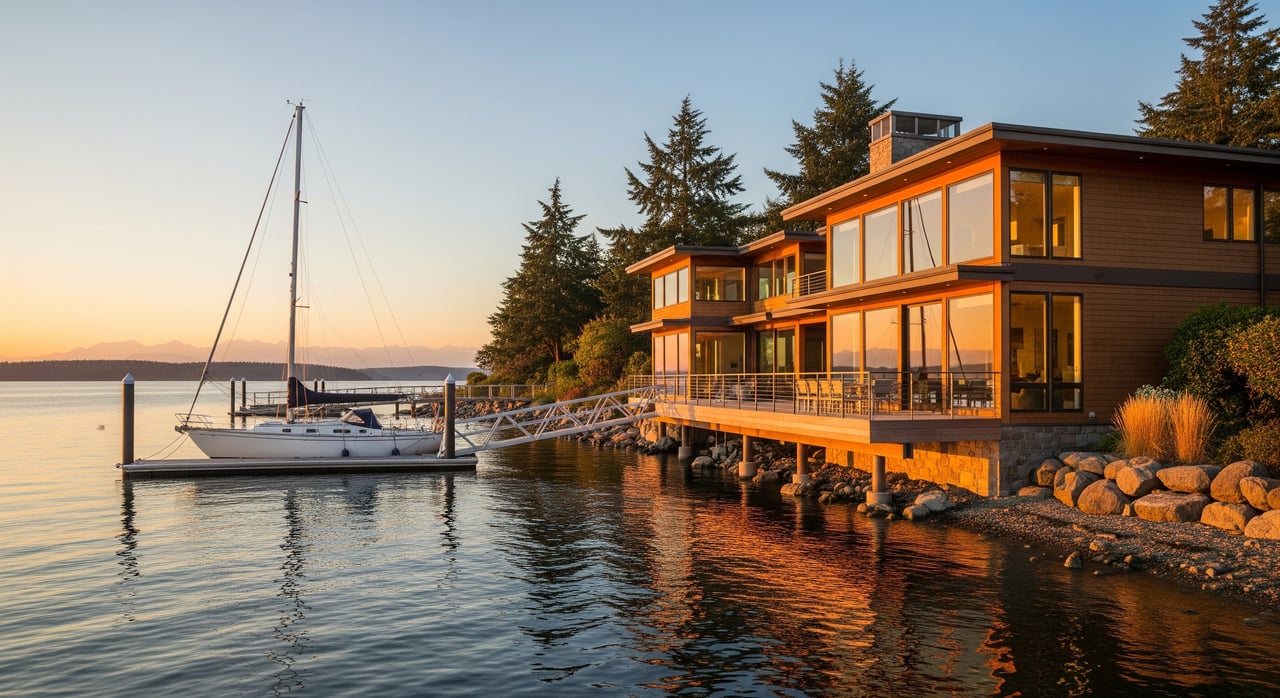
You’ll see a mix of early cottages, mid-century homes, and newer contemporary builds along bluffs and low-elevation stretches. Bluff properties often have sweeping views and may include private stairs or nearby public access for the beach. Beach-level homes trade elevation for proximity, which can mean easier access to sand and tidelands but more direct exposure to tides and wave action.
View homes just inland
Step a few blocks back from the shoreline and you’ll find homes that capture Sound and mountain views without direct beach access. These areas can offer a bit more privacy and less foot traffic than the blocks closest to the ferry and parks. Lot sizes and footprints vary, and some properties sit higher on gentle slopes to frame the view.
Condominiums and townhomes
Low- to mid-rise condos and townhomes cluster near the waterfront and downtown, putting restaurants, galleries, and the marina within easy reach. Many buyers choose these for lower-maintenance living and lock-and-leave convenience. If you’re downsizing or relocating, this can be a practical way to enjoy water views and walkability.
Marina-front and live-aboard options
Marina-adjacent housing and boat moorage appeal to boaters who want quick access to the Sound. Slip availability can be limited and may involve waitlists. Live-aboard rules and amenities vary, so confirm the latest policies with local marina operators if that’s on your wish list.
Bluff vs beach-level tradeoffs
Bluff homes shine for dramatic, elevated panoramas and a buffer from tides. The tradeoff is that beach access may require stairs or a longer walk to a public entry point. Beach-level homes put you close to the water’s edge, which is great for shell hunting at low tide and easy kayak launches. The flip side is increased exposure to storm conditions and the potential for shoreline work that may require permits.
Everyday life by the Sound
On a typical day, you might start with a low-tide beach walk and spot herons in nearby wetlands. Midday could mean errands or lunch downtown, where small shops and galleries line the streets near the shore. Evenings often end with a sunset over the Olympics or a performance at the local arts venue. In summer, expect more visitors, markets, and outdoor events. In winter, you’ll likely enjoy quieter trails, moody skies, and the gentle rhythm of ferry traffic.
Getting around and parking
Ferry and traffic patterns
The Edmonds–Kingston ferry is a regional link to the Kitsap Peninsula and a familiar part of the waterfront soundscape. During peak travel times, ferry queues can influence nearby traffic. If you plan to drive, learn the local patterns so the ferry schedule works with your daily routine.
Commuting choices
Commuters to Seattle and Everett use a mix of local roadways and I-5, along with regional bus and express routes. Service levels and schedules change, so plan to verify current options before you rely on a specific route. If transit access matters to you, test the commute at your usual hours.
Walkability and parking
The waterfront and downtown are generally walkable, with parks, shops, and dining close together. Parking near the ferry terminal, beach parks, and event sites can be tight during summer and festivals. If you prefer a quieter scene, consider properties a bit inland where on-street parking is often less constrained.
Ownership basics on the shoreline
Shoreline property comes with unique rules and responsibilities. Waterfront and low-elevation parcels may fall within FEMA flood zones or local floodplains, and some areas face erosion risk. Washington’s Shoreline Master Program and local regulations govern docks, bulkheads, stairs, and other shoreline structures. Repairs, replacements, or new work often require permits and, in some cases, mitigation or setbacks. Private ownership, public access, and tidal boundaries can be complex, so review deeds, easements, and local shoreline maps carefully.
Costs and upkeep to plan for
Standard homeowners policies typically exclude flood damage, so if your property is in or near a flood zone, you may need separate flood insurance. Coastal exposure can increase maintenance needs for stairs, seawalls, bulkheads, and moisture control. If your home sits on a bluff, keep an eye on drainage management and slope stability. Internet and communications service quality can vary by parcel, so confirm provider options if you work from home.
Your quick buyer checklist
- Review FEMA flood maps and local floodplain resources for parcel-specific risk.
- Confirm shoreline permits and history of shoreline work or repairs.
- Ask about bulkheads, seawalls, and stairs, including condition and past maintenance.
- Verify utilities, including municipal water and sewer or any private systems.
- Check internet provider availability and speeds for remote work needs.
- Visit at high and low tides to understand beach width and access.
- Walk the neighborhood on a weekend and a weekday evening to gauge activity and noise.
- Test your commute and observe ferry traffic during peak times.
- If you are a boater, inquire about marina slip availability and rules.
- Discuss insurance needs, including potential flood coverage and costs, with a licensed agent.
Seasonal rhythm to expect
Summer brings more street life, outdoor dining, and waterfront events, which many residents love for the energy and convenience. You’ll also see more visitors, so plan ahead for parking and beach access on sunny weekends. In cooler months, the pace softens, trails and beaches quiet down, and you get a front-row seat to winter light, cloudscapes, and calmer shorelines between storms.
Who finds the waterfront a fit
A wide mix of people choose Edmonds near the water. Some want walkable, low-maintenance living close to arts and dining. Others focus on access to parks, beaches, and commuter routes for regional jobs. If you value daily contact with the shoreline, flexible transit choices, and a close-knit downtown, the Edmonds waterfront can be a strong match.
How to move forward with confidence
Start with clear goals: view priority versus direct beach access, walkability versus quieter streets, and condo convenience versus single-family space. Then line up the due diligence that matters most for coastal homes, from flood maps and permits to utilities and insurance. When you are ready to tour neighborhoods, compare options, and navigate the details, reach out to the local team that knows Snohomish County inside and out. Connect with Pilchard Properties for practical guidance and responsive service from first showing to closing.
FAQs
What is day-to-day life like near the Edmonds waterfront?
- Expect walkable access to beaches, galleries, and dining, lively summers with markets and events, and quieter, cozier winters with ferry activity as a steady backdrop.
How do bluff and beach-level homes differ in Edmonds?
- Bluff homes offer big views and a buffer from tides but may require stairs for access, while beach-level homes provide easy shoreline entry with more exposure to waves and high water.
What permits apply to docks, bulkheads, or shoreline stairs?
- Washington’s Shoreline Master Program and local rules govern shoreline work, and many repairs or replacements require permits that can include mitigation or setbacks.
How does the Edmonds–Kingston ferry affect traffic and parking?
- Peak ferry times can create vehicle queues near the terminal, and parking near beaches and downtown can be tight in summer and during events, so plan timing and routes.
Do waterfront homes in Edmonds need flood insurance?
- It depends on parcel-specific risk; properties in or near designated flood zones may need separate flood policies since standard homeowners coverage often excludes floods.
Are there condos near the waterfront with walkability?
- Yes, low- to mid-rise condos and townhomes cluster close to the shoreline and downtown, offering lower-maintenance living with quick access to shops, parks, and the marina.